

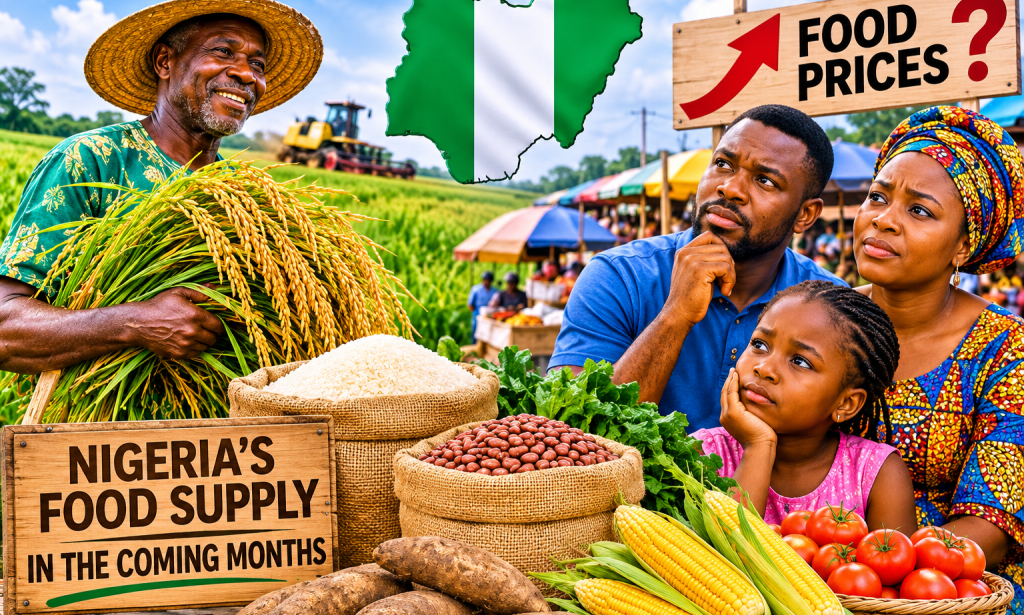
How Nigeria's Food Supply Could Change in the Coming Months
Food is one of the most important needs of every household in Nigeria. Every day, millions of Nigerians visit markets to buy rice, beans, garri, yam, tomatoes, pepper and other essential food items. However, changes in farming activities, weather conditions and transportation costs can affect how easily these foods reach consumers.
As Nigeria moves towards the end of 2026, attention is turning to the harvest season and what it could mean for food availability and prices in the coming months.
1. The Harvest Season Could Bring More Food to Markets
Harvest season is an important period for Nigerian farmers. It is the time when many farmers gather crops such as rice, maize, beans, yam and cassava.
When more farmers bring their produce to markets, food availability can improve. This may give consumers more choices and create opportunities for traders to purchase food at better prices.
2. Food Prices May Continue to Change
One major concern for Nigerian households is the cost of food.
Even when farmers harvest large quantities of crops, prices do not always reduce immediately. This is because transportation, storage, fuel and market expenses can influence the amount consumers eventually pay.
Some food items may become cheaper, while others may remain expensive depending on their supply and demand.
3. Farmers Still Face Serious Challenges
Although agriculture plays an important role in Nigeria's economy, farmers face several difficulties that can affect food production.
Some of these challenges include:
- High costs of fertilisers and farming materials.
- Insecurity in some farming communities.
- Flooding and unpredictable weather.
- Expensive transportation.
- Lack of modern farming equipment.
These problems can make farming difficult and reduce the amount of food available in markets.
4. Rice, Beans and Maize Remain Important
Rice, beans and maize are among the food items many Nigerian families depend on.
Changes in their production and distribution can affect household budgets. When supply is low and demand is high, prices may increase. However, improved harvests and better transportation can help make these products more available.
5. Dry Season Farming Could Help
As the rainy season comes to an end in many parts of Nigeria, dry season farming becomes increasingly important.
Farmers with access to irrigation and reliable water sources can continue growing tomatoes, vegetables, pepper and other crops.
This can help maintain food supplies even when regular rainfall becomes limited.
6. What Can Nigerians Do to Prepare?
Families can take practical steps to manage changing food prices.
Here are some useful ideas:
- Plan your food budget before going to the market.
- Compare prices from different sellers.
- Buy food items in reasonable quantities when prices are favourable.
- Store grains properly to prevent damage.
- Avoid wasting food.
- Support local farmers and small food businesses.
These simple habits can help households manage their expenses.
7. Why Food Production Matters to Everyone
Food production is not only important to farmers. It affects traders, transporters, restaurant owners, food sellers and ordinary families.
When farmers produce more food, businesses have more products to sell, markets become better supplied and consumers have more choices.
Improving agriculture can therefore create employment opportunities and support the Nigerian economy.
Conclusion
Nigeria's food supply in the coming months will depend on harvest results, farming activities, weather conditions, transportation and security.
Although increased harvests could improve food availability, several challenges may continue to affect food prices.
Supporting farmers, improving storage facilities, providing better roads and investing in modern agricultural methods can help strengthen Nigeria's food supply.
Everyone depends on food, and a stronger agricultural system can help build a better future for Nigerian households.


You must be logged in to post a comment.