

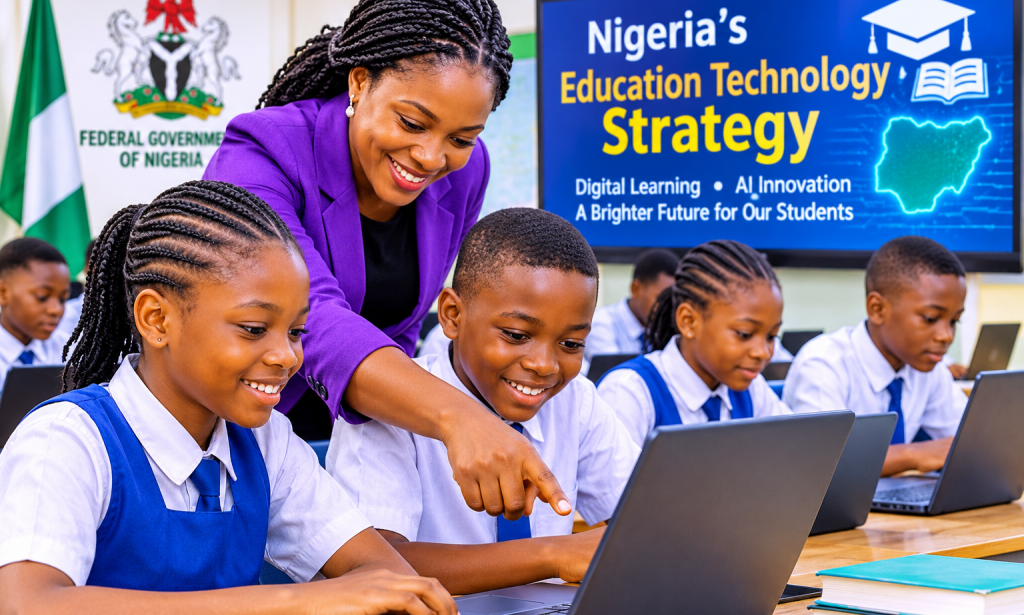
Nigeria's education sector is preparing for an important change as the Federal Government introduces a new strategy designed to bring more technology into schools and improve the way students learn.
The development is attracting attention because technology is becoming an important part of modern education. From digital classrooms to artificial intelligence, the way people learn is changing around the world.
Nigeria wants to make sure its students and teachers can benefit from these developments.
But what exactly is changing, and how could it affect ordinary Nigerians?
Let's take a closer look.
1. Nigeria Introduces a New Education Technology Strategy
The Federal Government has unveiled Nigeria's National Education Technology Strategy, an initiative designed to improve teaching and learning through digital technology.
The strategy aims to make educational resources more accessible and encourage schools to adopt modern learning methods.
It also recognises the importance of preparing students for a world where digital skills are becoming increasingly valuable.
2. Artificial Intelligence Is Becoming Part of Education
One interesting development is the growing use of artificial intelligence in education.
The government has introduced AskFME, an AI-powered virtual assistant designed to help people access information about education policies, programmes, and services.
This shows how technology can make educational information easier to access.
In the future, digital tools could also help students understand difficult subjects, practise new skills, and find learning materials.
3. Teachers Will Need More Digital Skills
Teachers play an important role in shaping the future of every country.
As technology becomes more common in schools, educators will need the knowledge to use digital tools effectively.
The new strategy includes support for improving teachers' digital skills through training and professional development.
This could help teachers introduce more interesting learning methods and make lessons easier for students to understand.
4. Students Could Benefit From Digital Learning
Imagine a student who wants to understand a difficult subject but cannot find enough textbooks in school.
With access to digital learning resources, that student may have more opportunities to study, research, and improve their knowledge.
Online educational materials, digital libraries, and learning platforms can provide additional support beyond traditional classrooms.
However, students will still need teachers to guide them and help them understand what they learn.
5. Better Education Data Can Improve Schools
Another important part of the strategy is improving how educational information is collected and managed.
Reliable information about schools, teachers, and students can help authorities understand where resources are needed most.
This can support better planning and help identify problems affecting different schools.
When education decisions are based on accurate information, resources can be directed more effectively.
6. Electricity and Internet Access Remain Major Challenges
Although the strategy offers exciting possibilities, Nigeria still faces challenges.
Some schools do not have reliable electricity, computers, or internet connections.
Students in rural communities may find it difficult to benefit from digital education if these basic facilities are unavailable.
For the strategy to succeed, the government must pay attention to these challenges and ensure that disadvantaged schools are not left behind.
7. What This Means for the Future of Nigerian Students
The world is changing, and many future jobs will require people to understand technology.
Students who develop digital skills today may have better opportunities to participate in tomorrow's economy.
Learning how to use computers, understand artificial intelligence, communicate digitally, and solve problems can prepare young Nigerians for different careers.
This is why introducing technology into education is an important step.
Conclusion
Nigeria's new education technology strategy represents an important opportunity to improve the country's education system.
By encouraging digital learning, supporting teachers, and introducing modern technology, the initiative could help prepare students for the future.
However, its success will depend on proper implementation, adequate funding, reliable electricity, internet access, and equal opportunities for students across the country.
Every Nigerian child deserves access to quality education, regardless of where they live.
Technology is changing the future of education, and Nigeria must ensure that its students are prepared to be part of that future.


You must be logged in to post a comment.