
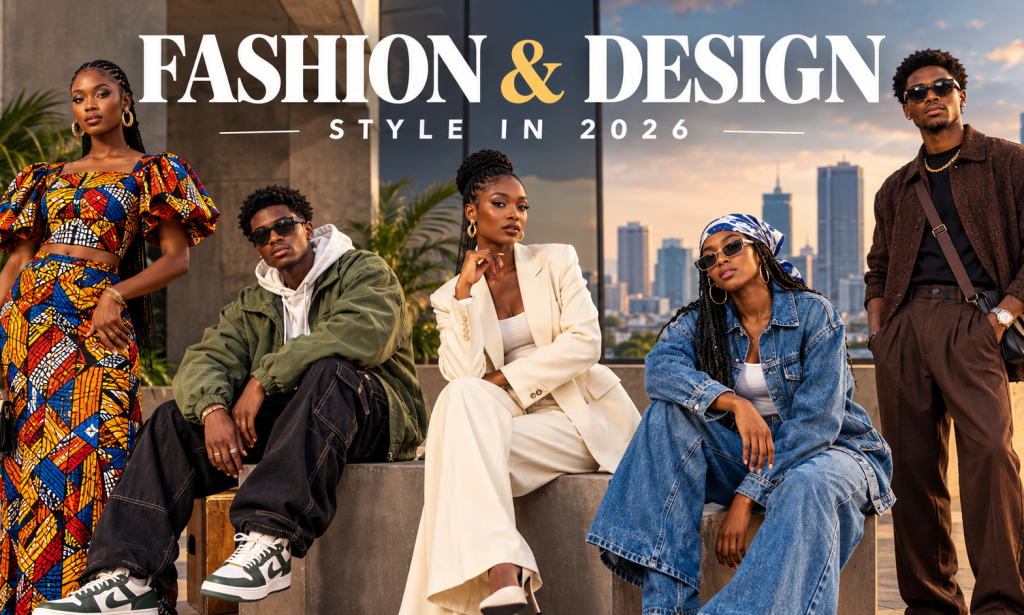
10 Fashion Trends Shaping Style in 2026: From African Designs to Bold Streetwear
What makes an outfit unforgettable? Is it the colour, the design, the accessories, or the confidence of the person wearing it? In fashion, sometimes one small detail can transform an ordinary look into something people remember.
In 2026, fashion continues to bring together creativity, culture, comfort, and self-expression. Designers are reimagining familiar garments, streetwear continues to influence everyday outfits, and African-inspired designs are contributing distinctive colours, textiles, and craftsmanship to the wider fashion conversation.
You do not need a celebrity-sized budget or a wardrobe full of expensive brands to enjoy these ideas. Often, the secret is knowing how to combine clothing, experiment with details, and make a style your own.
Here are 10 fashion trends and design ideas worth exploring in 2026.
1. African Prints Are Being Styled in Fresh Ways
African fashion has a rich variety of fabrics, patterns, colours, and techniques. Ankara, Adire, Aso-Oke, and other textile traditions offer designers many ways to express culture and creativity.
Today, African-inspired fabrics can be used in more than traditional occasion wear. Depending on the design, they can appear in shirts, jackets, trousers, skirts, bags, and contemporary formal outfits.
One exciting approach is to combine a patterned piece with simpler clothing. For example, a colourful Ankara jacket can become the centre of an outfit when paired with plain trousers and understated accessories.
The beauty of African fashion lies in its diversity. Different communities and designers bring their own stories, techniques, and ideas, making each creation more than just a piece of clothing.
2. Streetwear Keeps Making a Statement
Streetwear has grown from its roots in skateboarding, music, and urban culture into a major influence on modern fashion.
Graphic T-shirts, relaxed trousers, hoodies, sneakers, and statement jackets are familiar elements of this style. Designers and fashion enthusiasts continue to experiment with proportions, colours, graphics, and unexpected combinations.
A simple way to explore streetwear is to choose one standout item and build the rest of the outfit around it. A graphic shirt, for example, can work with plain trousers and clean sneakers without making the whole outfit feel too busy.
Streetwear also proves that personal style does not have to follow rigid rules. Mixing influences can produce a look that feels fresh and individual.
3. Bold Colours and Patterns Bring Energy to Outfits
Neutral colours can be versatile, but bold colours and patterns can give an outfit a completely different mood.
Bright red, colourful checks, vivid accessories, and striking prints can create a strong visual impression. The trick is deciding which item should receive the most attention.
Try combining one colourful piece with simpler items. A patterned shirt might work well with plain trousers, while a bright bag can add interest to a more understated outfit.
You can also experiment with colour combinations inspired by art, architecture, nature, or traditional textiles.
There is no single colour combination that everyone must follow. The goal is to discover which combinations you enjoy and how they work together.
4. Minimalist Fashion Shows the Power of Simplicity
Minimalism takes a different approach to style. Instead of relying on lots of decoration, it focuses on clean shapes, versatile pieces, and thoughtful combinations.
A simple shirt, well-made trousers, a classic jacket, and comfortable footwear can form the foundation of many outfits.
The advantage is versatility. One shirt might work for a casual outing with jeans or a more formal occasion with tailored trousers. Changing the shoes or accessories can also change the overall feel.
Minimalist fashion is not about making every wardrobe look identical. It is about choosing pieces that work well together and leaving room for small details to make a difference.
Sometimes, simplicity is what allows good design to stand out.
5. Vintage Inspiration Makes Old Styles Feel New
Fashion often looks to the past for fresh ideas. Vintage-inspired denim, retro sportswear, classic jackets, patterned shirts, and distinctive accessories can all bring a nostalgic touch to modern outfits.
The interesting part is mixing eras rather than copying an old look from head to toe. A vintage-inspired jacket paired with contemporary trousers and sneakers can feel both familiar and current.
Second-hand clothing can also help people discover unusual pieces and give existing garments another life.
Before buying something new, consider whether an item already in your wardrobe can create the look you want. A creative combination of existing clothes can be just as interesting as a completely new outfit.
Vintage fashion reminds us that good ideas rarely disappear forever—they often return with a different twist.
6. Sustainability Is Becoming an Important Design Conversation
Fashion creates opportunities for creativity and business, but clothing production and disposal also raise environmental concerns.
More responsible choices can include repairing damaged garments, reusing clothing, buying second-hand items, and choosing durable pieces that can be worn repeatedly.
Designers can also explore ways to reduce leftover materials and make better use of fabric. Some businesses are experimenting with recycled textiles and production methods intended to reduce waste.
Sustainable fashion does not have to mean buying expensive products carrying an environmental label. Sometimes, the most practical step is to take better care of the clothes you already own.
It is also worth checking whether brands support their environmental claims with clear information rather than relying only on attractive marketing.
The long-term goal is to enjoy fashion while thinking carefully about how clothes are made, used, and discarded.
7. Accessories Can Transform a Simple Outfit
Have you ever seen an outfit that looked completely different because of one small detail? That is the power of accessories.
Belts, bags, watches, scarves, sunglasses, hats, and jewellery can add colour, texture, or personality without requiring an entirely new wardrobe.
For example, a plain outfit might feel more formal with a structured bag or a classic watch. The same clothes could look more relaxed with a colourful cap and casual footwear.
Balance is important. Too many statement accessories can compete for attention, while one carefully chosen item can create a clear focal point.
Accessories also allow people to experiment with different styles at relatively low cost.
The next time an outfit feels incomplete, consider changing the details before replacing the clothes.
8. Comfort and Practical Design Matter
Fashion is not only about appearance. Clothing also needs to work for the activities and environments people experience every day.
Relaxed trousers, breathable fabrics, lightweight jackets, comfortable footwear, and useful bags can combine practicality with personal style.
Designers may also consider details such as pockets, adjustable features, garment construction, and how easily a piece can be combined with other items.
A practical wardrobe does not have to be boring. A well-designed jacket or an interesting pair of trousers can make a statement while remaining useful.
When choosing clothes, think about where you will wear them, how comfortable they feel, and whether they can work with other pieces you own.
The best design often brings together appearance and function rather than forcing you to choose between them.
9. Technology Is Changing Fashion Design
Fashion designers increasingly have digital tools available to help them explore ideas and develop collections.
Design software can help creators experiment with colours, patterns, silhouettes, and garment concepts before producing physical samples. Digital platforms also make it easier to share designs with audiences around the world.
Artificial intelligence can support early brainstorming and visual exploration, but designers still need creative judgment, technical knowledge, and an understanding of how garments actually work.
Social media and online shops have also created new ways for independent designers to display their work and connect with potential customers.
These tools do not replace craftsmanship. Instead, they can give creative people additional ways to test ideas and communicate their vision.
The relationship between traditional skills and digital design is likely to remain an interesting part of fashion's future.
10. Personal Style Is More Powerful Than Blindly Following Trends
Trends can be exciting, but copying every new look can make fashion feel expensive and exhausting.
Personal style develops when you notice the colours, shapes, fabrics, and combinations you genuinely enjoy. It can change over time as you discover new influences and experiment with different ideas.
Start with clothes you already like. Try combining them in unfamiliar ways, take inspiration from different cultures, and pay attention to the details that make an outfit feel like yours.
You can follow trends selectively without allowing them to dictate every purchase.
Most importantly, fashion should leave room for individuality. Two people can wear similar garments and create completely different looks because of how they style them.
There is no universal formula for great personal style. Creativity begins when you make thoughtful choices and allow yourself to experiment.
Conclusion: Great Fashion Begins With an Idea
Fashion in 2026 brings together cultural influences, streetwear, bold design, vintage inspiration, sustainability, and new digital tools. These developments show that clothing can be practical, expressive, artistic, and connected to wider social conversations.
You do not need to follow every trend to participate. Start with the pieces you have, explore combinations that interest you, and consider how colour, texture, accessories, and design can change an outfit.
African fashion also reminds us that clothing can tell stories about heritage, identity, craftsmanship, and innovation. When designers draw inspiration respectfully and develop original ideas, they help keep creative traditions alive while moving them forward.
The most memorable style is not always the newest or most expensive. Sometimes, it is the one that tells a story only you could tell.
Which fashion influence inspires you most: African designs, streetwear, minimalist outfits, or vintage fashion?


You must be logged in to post a comment.