
Your Kitchen Is Lying to You: 11 ‘Healthy’ Ingredients That Could Be Harming Your Body
Introduction
Walk into any modern kitchen, and you’ll likely find shelves stocked with foods labeled as “healthy,” “natural,” or “low-fat.” These buzzwords have become powerful marketing tools, convincing millions of people that they are making better dietary choices. But what if many of these so-called healthy ingredients are quietly harming your body?
The truth is, not everything marketed as healthy actually supports your well-being. Some ingredients are processed in ways that strip nutrients, spike blood sugar, disrupt hormones, or contribute to long-term health issues. Others are simply misunderstood—once beneficial in their natural form, but problematic after industrial modification.
In this article, we uncover 11 common “healthy” ingredients hiding in your kitchen that may be doing more harm than good. By the end, you’ll have the knowledge to make smarter, more informed choices about what truly belongs on your plate.
Why “Healthy” Labels Can Be Misleading
The Power of Marketing
Food companies often use appealing terms like:
Organic
Natural
Low-fat
Sugar-free
Whole grain
These labels can create a health halo effect, making products seem healthier than they actually are—even when they contain harmful additives or excessive processing.
The Hidden Problem
Many “healthy” foods:
Contain added sugars or artificial sweeteners
Are highly processed
Lack essential nutrients
Trigger inflammation or metabolic issues
Understanding what’s really inside your food is the first step toward better health.
1. Vegetable Oils (Canola, Soybean, Corn Oil)

Why They Seem Healthy
Vegetable oils are often marketed as heart-friendly alternatives to butter or animal fats due to their low saturated fat content.
The Hidden Danger
Highly processed using heat and chemicals
Rich in omega-6 fatty acids, which can promote inflammation when consumed in excess
Easily oxidized, producing harmful compounds
Better Alternatives
Olive oil (cold-pressed)
Avocado oil
Coconut oil (in moderation)
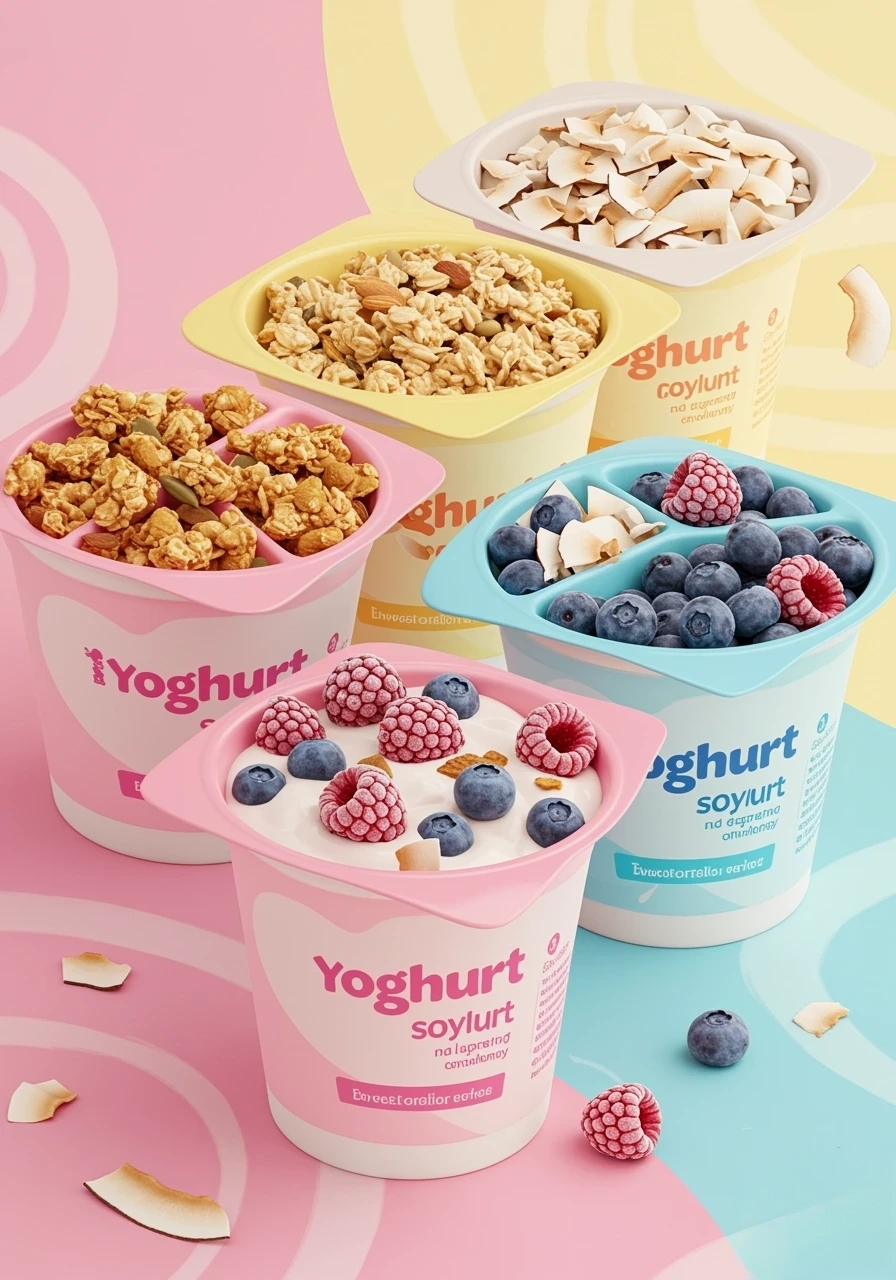
2. Low-Fat Yogurt
Why It’s Popular
Low-fat yogurt is often recommended for weight loss and heart health.
The Reality
When fat is removed, manufacturers often add:
Sugar
Artificial flavors
Thickeners
This can turn a healthy food into a sugar bomb.
Health Risks
Blood sugar spikes
Increased cravings
Reduced satiety
Smarter Choice
Opt for full-fat, plain yogurt and add your own fruit or honey.
3. Whole Wheat Bread (Highly Processed)

The Illusion of “Whole Grain”
Many breads labeled “whole wheat” are:
Made from refined flour
Mixed with caramel coloring to appear darker
Why It’s Problematic
High glycemic index
Low fiber compared to true whole grains
Contains additives and preservatives
Better Option
Choose:
100% whole grain bread
Sprouted grain bread
Homemade alternatives
4. Fruit Juices

Why People Love Them
Fruit juices are seen as a quick, vitamin-rich option.
The Truth
Most fruit juices:
Lack fiber
Contain high amounts of sugar
Cause rapid blood sugar spikes
Health Concerns
Weight gain
Increased risk of diabetes
Tooth decay
Healthier Alternative
Eat whole fruits instead—they provide fiber and better satiety.
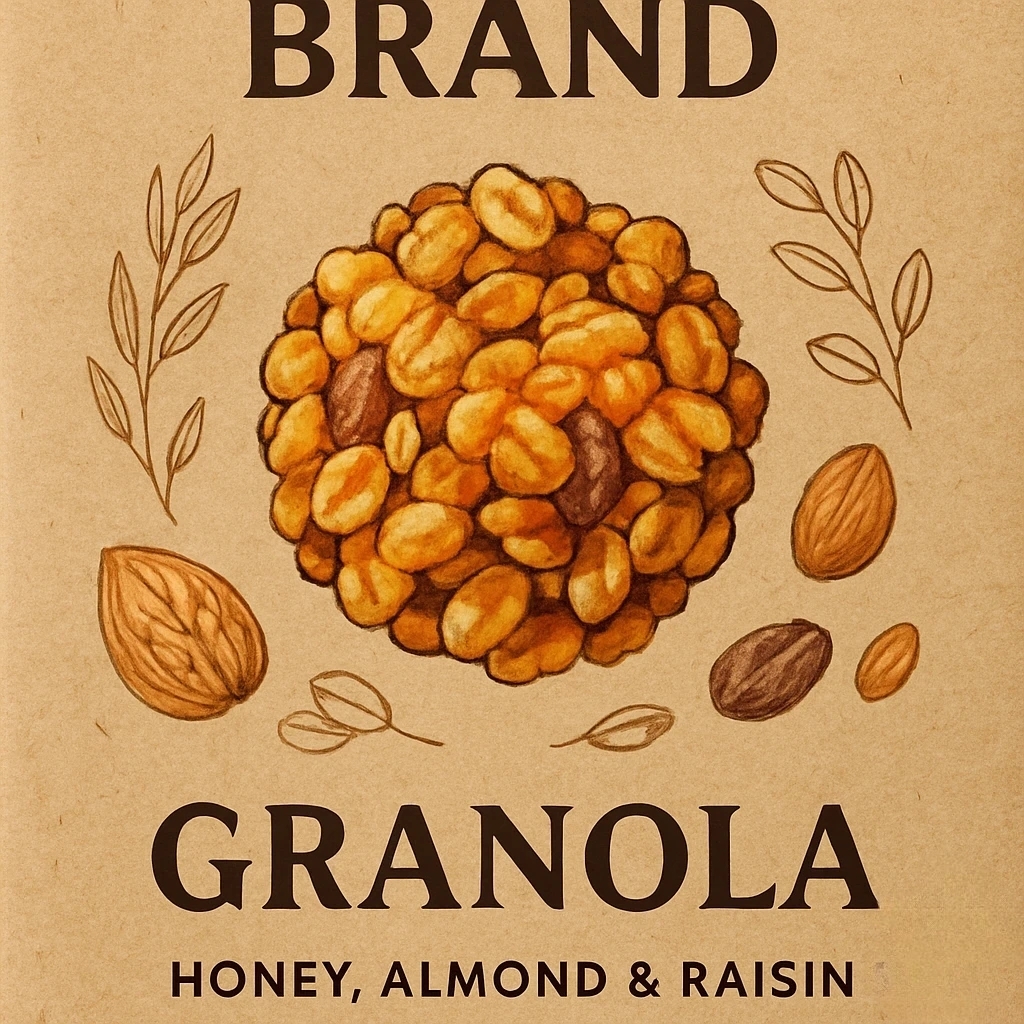
5. Granola
The “Health Food” Myth
Granola is often associated with fitness and clean eating.
What’s Really Inside
Many store-bought granolas contain:
Added sugars (honey, syrups)
Vegetable oils
High calorie density
Why It Can Harm
Easy to overeat
Leads to excess calorie intake
Can spike blood sugar
Better Approach
Make your own granola using:
Oats
Nuts
Minimal sweeteners
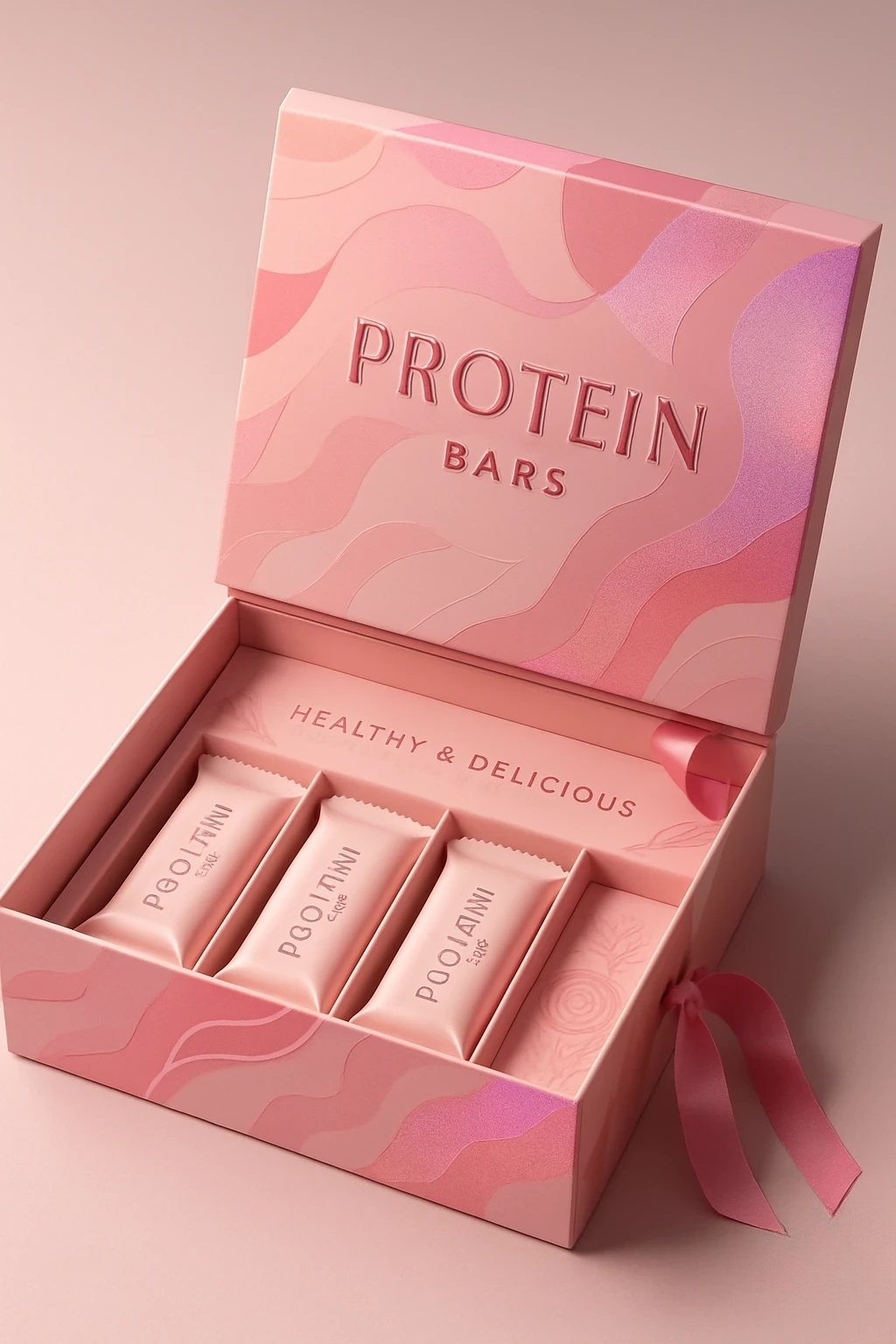
6. Protein Bars
Convenience vs. Health
Protein bars are marketed as quick, nutritious snacks.
The Hidden Ingredients
Artificial sweeteners
Sugar alcohols
Preservatives
Low-quality protein sources
Potential Issues
Digestive discomfort
Hidden sugars
Processed ingredients
Better Snack Ideas
Boiled eggs
Nuts and seeds
Greek yogurt
7. Smoothies (Store-Bought)
Why They Seem Healthy
Smoothies are often perceived as nutrient-packed drinks.
The Problem
Store-bought versions may include:
Added sugars
Ice cream or syrups
Large portion sizes
Result
High calorie intake
Blood sugar spikes
Reduced nutritional balance
Healthier Version
Make smoothies at home with:
Whole fruits
Leafy greens
Unsweetened milk
8. Artificial Sweeteners

The Sugar-Free Trap
Products labeled “sugar-free” often contain artificial sweeteners.
What Research Suggests
Artificial sweeteners may:
Disrupt gut bacteria
Increase sugar cravings
Affect insulin response
Common Types
Aspartame
Sucralose
Saccharin
Better Choice
Use natural sweeteners in moderation:
Honey
Dates
Stevia (less processed forms)
9. Packaged Salads with Dressings

The Healthy Illusion
Salads are universally seen as healthy—but packaged versions can be deceptive.
Hidden Issues
High-calorie dressings
Preservatives
Processed toppings
Why It Matters
A “healthy” salad can easily exceed:
500–800 calories
High sugar and unhealthy fats
Smarter Option
Prepare fresh salads and control:
Dressing quantity
Ingredient quality
10. Flavored Oatmeal Packets
The Breakfast Trap
Instant oatmeal packets are marketed as quick and healthy.
What’s Inside
Added sugars
Artificial flavors
Low fiber (compared to whole oats)
Health Impact
Energy crashes
Increased hunger
Blood sugar spikes
Better Alternative
Use:
Plain rolled oats
Add fruits and nuts
11. Plant-Based Meat Substitutes
The Rise of “Healthy” Alternatives
Plant-based meats are often promoted as healthier than animal products.
The Hidden Reality
Many are:
Highly processed
High in sodium
Contain additives and fillers
Potential Risks
Inflammation
Nutrient imbalance
Overconsumption of processed ingredients
Healthier Choice
Focus on whole plant foods:
Lentils
Beans
Chickpeas
Signs Your “Healthy” Diet May Be Hurting You
Even if you think you’re eating well, your body may show warning signs:
Physical Symptoms
Constant fatigue
Digestive issues
Unexplained weight gain
Frequent hunger
Metabolic Clues
Blood sugar fluctuations
Increased cravings
Poor energy levels
How to Truly Eat Healthy
1. Focus on Whole Foods
Choose foods that are:
Minimally processed
Nutrient-dense
Close to their natural state
2. Read Ingredient Labels
Look out for:
Hidden sugars
Artificial additives
Long ingredient lists
3. Avoid Marketing Traps
Don’t rely on front-label claims. Always:
Check nutritional facts
Understand ingredients
4. Cook More at Home
Home-cooked meals allow you to:
Control ingredients
Reduce additives
Improve nutrition quality
Simple Swaps for a Healthier Kitchen
Instead OfChoose ThisVegetable oilOlive oilFruit juiceWhole fruitFlavored yogurtPlain yogurtGranola barsNuts & seedsInstant oatmealRolled oats
The Psychology Behind “Healthy” Eating Mistakes
The Health Halo Effect
When a product is labeled healthy, people tend to:
Eat more of it
Ignore calorie content
Overestimate its benefits
Emotional Eating
Healthy foods can also be used as a justification for overeating, leading to unintended consequences.
Final Thoughts
Your kitchen may look healthy on the surface, but many commonly trusted ingredients can quietly undermine your well-being. The key isn’t to eliminate everything—but to become aware.
True health doesn’t come from labels or trends. It comes from understanding your food, choosing wisely, and focusing on balance.
Key Takeaways
Not all “healthy” foods are truly beneficial
Many contain hidden sugars and additives
Whole, minimally processed foods are the best choice
Reading labels is essential for smarter decisions
Small changes can make a big difference in long-term health
By rethinking what’s in your kitchen today, you take a powerful step toward protecting your health tomorrow.


You must be logged in to post a comment.