

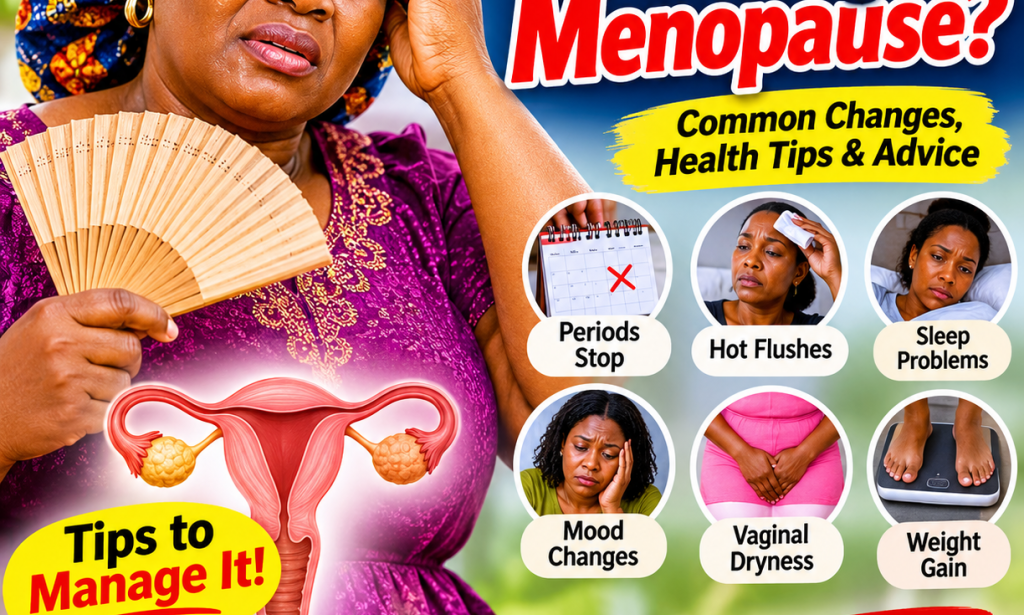
Menopause is a natural stage in every woman's life. It marks the end of menstrual periods and the ability to become pregnant naturally.
Although menopause is not a disease, the hormonal changes that occur during this period can cause several physical and emotional changes.
But what exactly happens inside a woman's body during menopause?
1. Menstrual Periods Stop
During menopause, the ovaries gradually reduce their production of oestrogen and progesterone. Menstrual periods become irregular and eventually stop.
A woman is considered to have reached menopause after 12 consecutive months without menstruation, provided there is no other medical explanation.
2. Hot Flushes and Night Sweats
One common symptom of menopause is a sudden feeling of heat spreading through the body. Some women also experience excessive sweating at night, which can disturb their sleep.
3. Vaginal Dryness
Reduced oestrogen levels can cause vaginal tissues to become thinner, drier and less elastic. This may lead to discomfort or pain during sexual intercourse.
4. Mood Changes
Some women experience mood swings, irritability, anxiety and feelings of sadness. Hormonal changes and poor sleep may contribute to these experiences.
5. Difficulty Sleeping
Menopause can affect sleep patterns. Night sweats and hormonal changes may make it difficult for some women to fall asleep or stay asleep.
6. Weight Gain
Some women notice changes in their body shape and increased abdominal fat during menopause. Ageing, hormonal changes and reduced physical activity can contribute to this.
7. Weakening of Bones
Oestrogen helps protect bone strength. When its level decreases, women may lose bone density more quickly, increasing their risk of osteoporosis.
8. Changes in Sexual Desire
Some women experience reduced sexual desire during menopause, while others notice little or no change. Vaginal dryness and discomfort may also affect intimacy.
HOW CAN WOMEN MANAGE MENOPAUSE?
Women can improve their well-being during menopause by:
- Eating a balanced and nutritious diet.
- Exercising regularly.
- Getting enough sleep.
- Eating calcium-rich foods.
- Staying physically active.
- Avoiding smoking.
- Limiting alcohol consumption.
- Seeking medical advice when symptoms become disturbing.
WHEN SHOULD YOU SEE A DOCTOR?
Seek medical attention if menopause symptoms seriously affect your daily life. Any vaginal bleeding after menopause should always be evaluated by a healthcare professional.
CONCLUSION
Menopause is not the end of a woman's beauty, happiness or productivity. It is simply another stage of life that requires understanding, proper care and attention.
Every woman deserves support, love and good healthcare during this transition.




































Menopause another phase of life
You must be logged in to post a comment.