
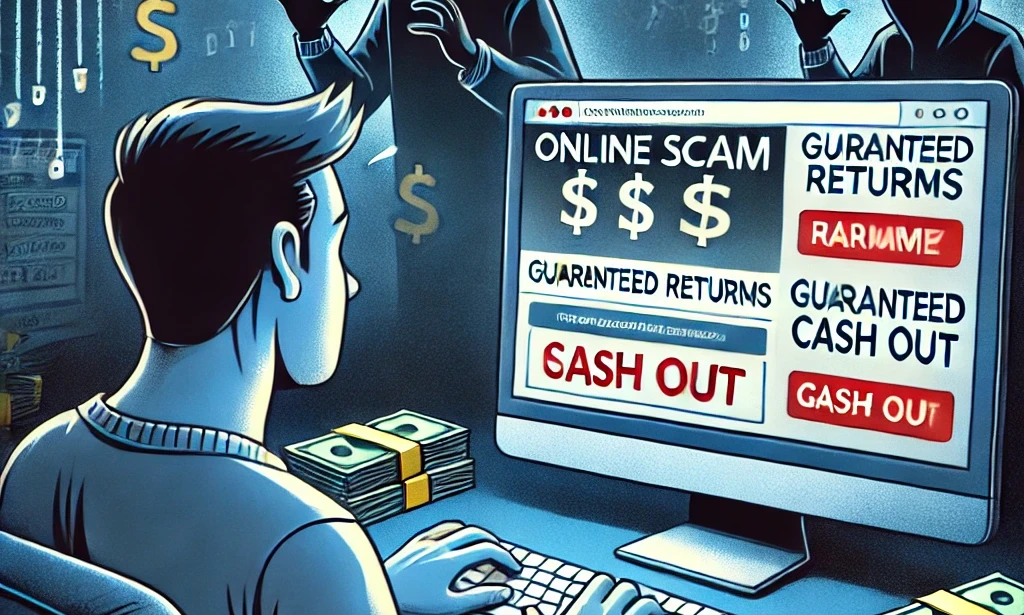
Scam Alert: My Experience with a Fraudulent Investment Training Program

Introduction
In today’s digital age, scams are becoming increasingly sophisticated. I experienced firsthand how a seemingly legitimate training program turned into a financial trap. This article details my journey through the scam, the significant monetary loss I suffered, and my ongoing efforts to recover my funds.
The Lure: Promises of Expert Training
The scam began when I was enticed by an attractive offer:
- Initial Fee: I was asked to pay a training fee of $24,000.
- Assurance of Training: The promoters guaranteed that I would receive comprehensive training.
- Encouragement to Borrow: They even encouraged me to take a loan to cover the fee.
These early promises were designed to build trust and lower my defenses.
The Investment Trap: Additional Costs Unveiled
After paying the initial fee, the scammers introduced further expenses:
- Purchase Order: I was instructed to make an additional purchase valued at $32,000.
- Direct Payment Promise: They assured me that the funds would be directly deposited into my account.
- New Excuses: Despite fulfilling these demands, I was met with excuses. The scammers later claimed there was a mix-up and that to withdraw any money (with a minimum of $250), I needed to invest in a website costing $103,000.
The Financial Impact
In total, I spent over $56,000 on what turned out to be a fraudulent scheme:
- Training Fee: $24,000
- Additional Purchase: $32,000
- Future Investment Requirement: $103,000 (as a condition to cash out, which was never met)
This series of escalating costs clearly indicates a scam designed to extract as much money as possible.
Warning and Lessons Learned
Scam Warning:
If you are approached with promises that sound too good to be true—especially if they involve large upfront fees or additional unexpected costs—proceed with extreme caution. Here are some key takeaways:
- Verify Credentials: Always check the legitimacy of any training program or investment opportunity.
- Avoid High-Risk Financial Commitments: Do not invest more money unless you are 100% sure of the program's authenticity.
- Research Online Reviews: Look for reviews or warnings from others who may have experienced similar scams.
I strongly advise against getting involved in schemes where you are required to invest significant amounts (up to $200,000) without clear, verifiable returns.
Conclusion
My unfortunate experience serves as a cautionary tale for anyone considering similar investment opportunities. The lack of transparency and the sudden, exorbitant demands are classic red flags of a scam. I am still searching for ways to recover the $56,000 that I lost. Stay informed, research thoroughly, and never let your guard down in the world of online investments.

You must be logged in to post a comment.