
XM Music: Real Opportunity or Elaborate Scam? The Truth Revealed
In recent months, a platform called XM Future Music — commonly known simply as "XM Music" — has been circulating aggressively across social media, promising ordinary people the chance to earn life-changing money just by listening to music. But is it too good to be true? The short answer: yes. Here is everything you need to know.
What Is XM Music?
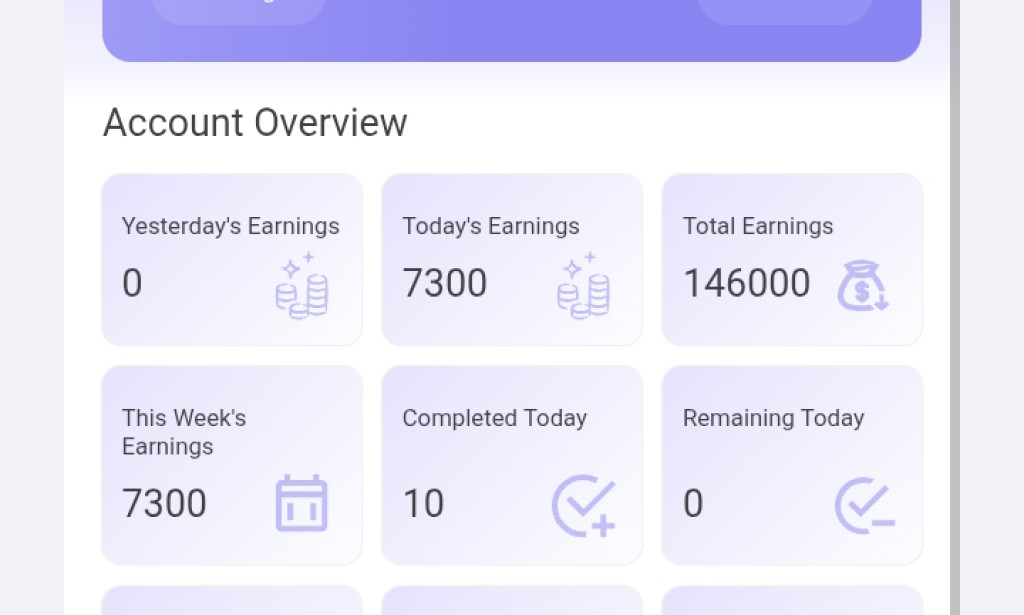
XM Future Music Group presented itself as an online earning platform where users could make money by streaming songs and completing simple digital tasks. The concept sounded appealing and straightforward: sign up, listen to music, get paid. Promoters flooded Facebook, WhatsApp groups, and other social media platforms with screenshots of earnings and withdrawal "proofs," attracting thousands of users — particularly in Nigeria.
The platform operated through a website and offered tiered subscription packages, positioning itself as a legitimate music promotion service where artists supposedly paid to have their songs heard.
The Promises That Should Have Raised Alarm Bells
From the very beginning, XM Music made claims that no legitimate business could sustain:
Returns of up to 100% within just 30 days — meaning if you invested ₦21,000, you'd supposedly double your money in a month.
Extraordinary investment packages ranging from ₦21,600 all the way up to ₦93 million.
Astronomical profit claims — advertisements circulated online claiming that a ₦21 million investment could generate returns of approximately ₦327 million within a single month.
A "work deposit" — after an initial free trial period, users were required to pay an additional fee just to continue participating.
Financial experts and regulators have long warned that any platform promising guaranteed high returns in a short period — especially without a transparent and verifiable business model — is almost certainly a scam.
How the Scam Worked
XM Music followed the classic blueprint of a Ponzi scheme:
Recruit new members through social media hype and referral incentives.
Collect subscription fees across multiple investment tiers.
Pay early investors using funds collected from newer members — creating the illusion of a working, profitable platform.
Collapse suddenly once new recruitment slows and the money runs out.
The platform also used a foreign company registration — allegedly linked to Colorado in the United States — to appear legitimate. However, financial experts warn that fraudulent schemes routinely use foreign registrations and fabricated certifications to build false credibility.
The Collapse
In May 2026, XM Future Music collapsed without warning. Withdrawals suddenly stopped processing, support groups were muted or deleted entirely, and the website became inaccessible. Thousands of users who had invested their savings — some borrowing from microfinance institutions, others selling property, and at least one student reportedly using school fees — were left with nothing.
The fallout was devastating. Reports emerged of investors in Nigeria's South-West region requiring medical attention due to the financial and emotional shock. Angry victims were even reported to have stormed one of the company's offices in Badagry, Lagos, carting away office equipment including generators, chairs, fans, and televisions after realizing their funds were gone.
Social media was flooded with laments. One user summed up the mood bluntly: "XM Future Music just crashed. Another MLM scheme gone. The pressure to make money these days is really making people ignore clear signs."
What the Regulators Say
Nigeria's Securities and Exchange Commission (SEC) and the Economic and Financial Crimes Commission (EFCC) had repeatedly cautioned the public against investment platforms promising unusually high and guaranteed returns. These warnings largely went unheeded by many who were drawn in by the prospect of quick wealth.
Financial analysts consistently stress that legitimate investments rarely guarantee massive profits within short timeframes, especially without transparent business models and proper licensing.
How to Spot a Music Earning Scam
There are legitimate platforms that pay users modest amounts for listening to and reviewing music — such as Slicethepie, Playlist Push, and JumpTask. However, these platforms offer realistic earnings of a few pence to a few dollars per review, not life-altering returns. Here is how to tell the difference:
Red Flags (Scam)
Green Flags (Legitimate)
Promises of 100%+ returns
Modest, realistic payouts
Requires upfront payment or "deposit"
Free to join
Vague or hidden business model
Transparent about how they earn revenue
Aggressive social media recruitment
Minimal referral pressure
No verifiable company information
Registered company with real contacts
Withdrawal issues or high minimums
Proven, verifiable withdrawal history
The Bottom Line
XM Music was not a music platform. It was a Ponzi scheme dressed in the language of the digital economy, designed to exploit people's genuine desire for financial freedom. Its collapse was not a surprise to financial experts — it was inevitable.
If you or someone you know has lost money to XM Music or a similar scheme, consider reporting it to the EFCC or your country's relevant financial regulatory authority. And remember: if a platform promises you extraordinary wealth for doing almost nothing, the product being sold is not music — it's false hope.
Always verify before you invest. If it sounds too good to be true, it almost certainly is.

You must be logged in to post a comment.