

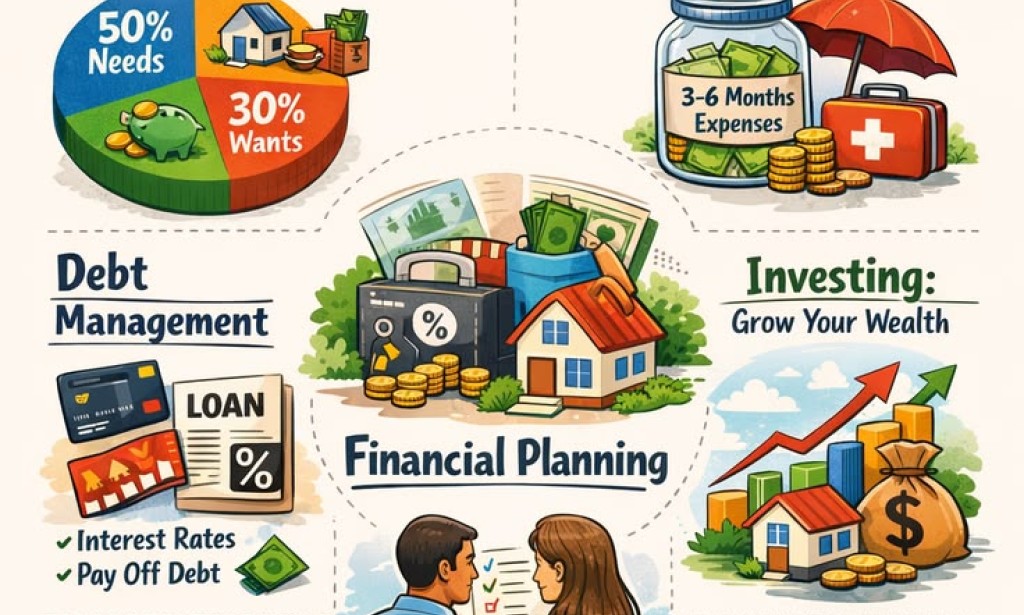
1. It Helps You Manage Your Money Wisely
One of the greatest benefits of financial education is learning how to manage income effectively.
When you understand how to manage money, you can prepare a budget, identify unnecessary expenses, and make better spending decisions.
For example, instead of spending your entire salary immediately after receiving it, you can divide your income into important areas such as food, transportation, savings, bills, and other responsibilities.
Proper money management helps you avoid unnecessary financial pressure and make better use of the money you earn.
2. It Teaches You the Importance of Saving
Saving money is an important step towards financial stability. Unfortunately, some individuals spend everything they earn without preparing for unexpected situations.
Financial education helps you understand why saving should become a regular habit.
You do not need to earn a huge salary before you start saving. You can begin with a small amount and gradually increase it as your income improves.
Having savings can help you handle emergencies, pursue personal goals and take advantage of opportunities without depending entirely on borrowing.
3. It Helps You Avoid Unnecessary Debt
Lack of financial knowledge can lead individuals into unnecessary debt.
Some people borrow money without understanding the interest rates, repayment conditions, or consequences of failing to repay on time.
Financial education teaches you to evaluate borrowing decisions before committing yourself to debt.
It also helps you understand the difference between borrowing for productive purposes and borrowing to maintain an expensive lifestyle.
Before taking any loan, consider whether it is necessary and whether you can comfortably repay it.
4. It Helps You Identify Good Investment Opportunities
Investing is one way to build wealth and prepare for the future. However, investing without proper knowledge can result in serious financial losses.
Financial education helps you understand different investment options, including businesses, agriculture, stocks, bonds and other legitimate financial instruments.
It also teaches you to consider risk, expected returns, investment periods, and the importance of diversification.
Never invest your money simply because someone promises you guaranteed profits. Take time to understand the opportunity before making a financial commitment.
5. It Protects You From Financial Scams
Many individuals lose their hard-earned money because they are attracted to unrealistic promises of quick wealth.
Some fraudulent platforms promise daily profits, guaranteed returns or extraordinary rewards for simply depositing money.
Financial education helps you recognise warning signs, ask the right questions and investigate investment opportunities before committing your funds.
Always remember that an opportunity promising unusually high returns with little or no risk deserves careful investigation.
Protecting your money is just as important as earning it.
6. It Helps You Prepare for the Future
Financial education encourages you to think beyond your immediate needs.
Instead of spending all your income on present enjoyment, you learn to prepare for future responsibilities such as education, housing, business development and retirement.
You can set financial goals, create a savings plan, and gradually work towards achieving them.
Planning gives you greater control over your financial decisions and helps you prepare for unexpected challenges.
7. It Encourages Financial Independence
Financial independence does not necessarily mean becoming extremely wealthy. It means developing the ability to manage your financial responsibilities without constantly depending on others.
When you understand how to budget, save, invest and manage debt, you become better prepared to make independent financial decisions.
You can also explore additional sources of income, develop valuable skills and build assets that may support you in the future.
Financial independence is a gradual process that requires discipline, patience and consistent effort.
CONCLUSION
Financial education is not only for wealthy individuals, business owners, or financial experts. It is important for everyone who earns, spends, saves, or invests money.
You may have a good salary, but without proper financial knowledge, you can still experience financial difficulties. Likewise, even with a small income, good financial habits can help you make meaningful progress.












































You must be logged in to post a comment.