
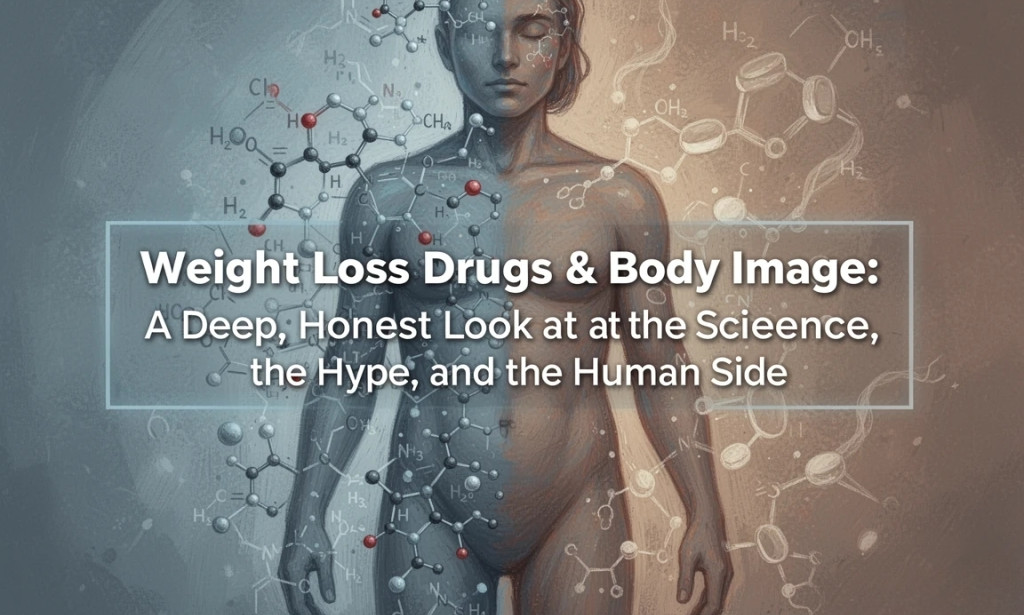
💊 Weight Loss Drugs & Body Image: A Deep, Honest Look at the Science, the Hype, and the Human Side
The conversation around weight loss drugs has exploded in recent years. From celebrity transformations to viral TikToks and doctor-prescribed injectables, these medications are reshaping how people think about bodies, beauty, and health. But beneath the headlines and hype lies a complicated reality.
This long-form guide breaks down how weight loss drugs work, who they’re for, their risks and benefits, and how they intersect with body image, mental health, and culture—without the fluff.
H2: What Are Weight Loss Drugs?
Weight loss drugs, also known as anti-obesity medications (AOMs), are prescription treatments designed to support weight management alongside lifestyle changes like nutrition and movement.
H3: Why Weight Loss Drugs Are Gaining Popularity
Several forces have driven the recent surge in interest:
Increased visibility through celebrities and influencers
New medications with higher effectiveness than older options
Growing medical recognition of obesity as a chronic condition
Telehealth making prescriptions more accessible
Cultural pressure around thinness and “aesthetic” bodies
This combination of medical innovation and social pressure has created a perfect storm of demand.
H2: How Modern Weight Loss Drugs Work
The latest generation of weight loss medications primarily target appetite regulation and blood sugar control.
H3: The Role of GLP-1 Medications
Two of the most talked-about medications today are and , both based on semaglutide.
They work by:
Mimicking the GLP-1 hormone
Slowing stomach emptying
Reducing appetite
Improving insulin sensitivity
Increasing feelings of fullness
H3: Other Popular Weight Loss Medications
Additional options include:
– targets two hormones (GLP-1 and GIP)
– approved specifically for obesity treatment
Older medications that focus on appetite suppression or fat absorption
Each medication has a different mechanism, risk profile, and effectiveness range.
H2: Who Are Weight Loss Drugs Actually For?
Despite social media trends, these medications are not meant for casual or cosmetic weight loss.
H3: Medical Eligibility Criteria
Doctors typically prescribe weight loss drugs for people who:
Have a BMI of 30+
Have a BMI of 27+ with related health conditions (e.g., diabetes, high blood pressure)
Have struggled with sustained weight loss through lifestyle changes alone
H3: Who Should Avoid Weight Loss Drugs
These medications may not be appropriate for:
People with a history of eating disorders
Those with certain thyroid conditions
Pregnant or breastfeeding individuals
Anyone seeking rapid weight loss for aesthetic reasons only
Always consult a qualified healthcare provider before starting.
H2: The Benefits of Weight Loss Drugs
For many people, these medications can be genuinely life-changing.
H3: Physical Health Benefits
Reduced risk of type 2 diabetes
Improved cardiovascular markers
Lower blood pressure
Reduced joint pain
Better mobility and energy
H3: Psychological Benefits
Increased confidence
Reduced food obsession
Improved motivation for healthy habits
Feeling “in control” of appetite for the first time
However, benefits are not universal—and they come with trade-offs.
H2: The Risks and Side Effects Nobody Talks About Enough
Weight loss drugs are powerful. Power comes with consequences.
H3: Common Side Effects
Nausea and vomiting
Diarrhea or constipation
Fatigue
Headaches
Reduced enjoyment of food
H3: Potential Long-Term Concerns
Muscle loss if protein intake is too low
Gallbladder issues from rapid weight loss
Nutrient deficiencies
Weight regain after stopping the medication
Psychological dependence on the drug for self-worth
H2: Weight Loss Drugs and Body Image
This is where things get deeply human—and complicated.
H3: How These Drugs Are Changing Beauty Standards
As thinner bodies become more “medically achievable,” society may:
Increase pressure to pursue thinness
Frame larger bodies as “fixable”
Blur the line between health and aesthetics
Reinforce the idea that weight is purely personal responsibility
This can unintentionally shame people who choose not to use medication.
H3: The Emotional Impact of Rapid Body Changes
Rapid weight loss can be emotionally disorienting:
Identity shifts
Feeling disconnected from your body
Unexpected attention or judgment
Fear of regaining weight
Pressure to maintain a new look
For some, the mental adjustment is harder than the physical one.
H2: Social Media, Celebrities, and the Ozempic Effect
Weight loss drugs didn’t go viral by accident.
H3: The Influence of Celebrity Culture
Public figures, reality stars, and influencers have normalized these medications—often without disclosing risks.
Common social effects include:
Unrealistic transformation expectations
“Before and after” obsession
Silent comparison culture
Trend-driven medical decisions
H3: The Danger of Medicalizing Beauty
When medical tools become beauty tools:
Healthcare resources can become scarce
People may misuse medications
Those who can’t access them feel left behind
Body diversity becomes less visible
H2: Weight Loss Drugs and Eating Disorders
This is a crucial, often ignored conversation.
H3: Risk of Triggering Disordered Eating
Weight loss drugs can:
Reinforce restriction patterns
Validate fear of weight gain
Encourage food avoidance
Blur the line between treatment and control
H3: Screening and Mental Health Support Matter
Before starting medication, people should ideally be screened for:
History of disordered eating
Body dysmorphia
Depression or anxiety
Unrealistic expectations
Weight loss without mental health support can worsen body image struggles.
H2: The Weight Regain Reality
One of the biggest myths? That weight loss drugs are a one-time fix.
H3: Why Weight Often Returns
When medication stops:
Appetite signals return
Metabolism may adjust
Old habits can resurface
Psychological pressure increases
H3: Are These Drugs Meant for Long-Term Use?
For many people, yes.
This reframes obesity as a chronic condition—similar to:
High blood pressure
Diabetes
Asthma
Long-term treatment may be necessary for sustained results.
H2: Ethical Questions Around Weight Loss Drugs
This trend raises big, uncomfortable questions.
H3: Access and Inequality
High costs limit access
Insurance coverage varies
Shortages affect people with diabetes
Wealth influences who gets “thin privilege”
H3: Should Thinness Be a Medical Goal?
This sparks debate around:
Medicalizing body size
Pathologizing fat bodies
Defining “health” by appearance
Reinforcing narrow beauty standards
H2: Building a Healthy Body Image in the Age of Weight Loss Drugs
Whether you use medication or not, body image work still matters.
H3: Healthy Mindsets to Practice
Your worth is not your weight
Health ≠ appearance
Medication is a tool, not a moral victory
Bodies naturally change
Comparison steals joy
H3: Practical Body Image Support Strategies
Follow diverse body representation online
Unfollow accounts that trigger shame
Work with a therapist or counselor
Focus on function over aesthetics
Celebrate non-scale victories
H2: Are Weight Loss Drugs Right for You?
There’s no universal answer.
H3: Questions to Ask Yourself
Am I pursuing health or appearance?
Do I understand the risks and side effects?
Can I commit to long-term lifestyle support?
Is my body image influencing this decision?
Do I have medical guidance and mental health support?
H3: Questions to Ask Your Doctor
What are realistic outcomes for me?
What happens if I stop the medication?
How will we monitor side effects?
How can I protect my mental health?
H2: The Future of Weight Loss Drugs and Body Culture
The science is moving fast. Culture is struggling to keep up.
H3: What’s Likely to Change
More medications with higher effectiveness
Increased normalization of pharmaceutical weight management
Expanded debates about beauty standards
More conversations about ethics and access
A push for integrated mental and physical healthcare
H2: Final Thoughts: Health, Autonomy, and Compassion
Weight loss drugs are neither miracle cures nor moral failures. They’re medical tools—powerful ones—that exist within a culture obsessed with bodies.
You are allowed to:
Want to change your body
Choose medication
Decline medication
Love your body now
Work on your health without hating yourself
The most radical thing in this era of injectable thinness?
Choosing compassion—for yourself and others.

You must be logged in to post a comment.