
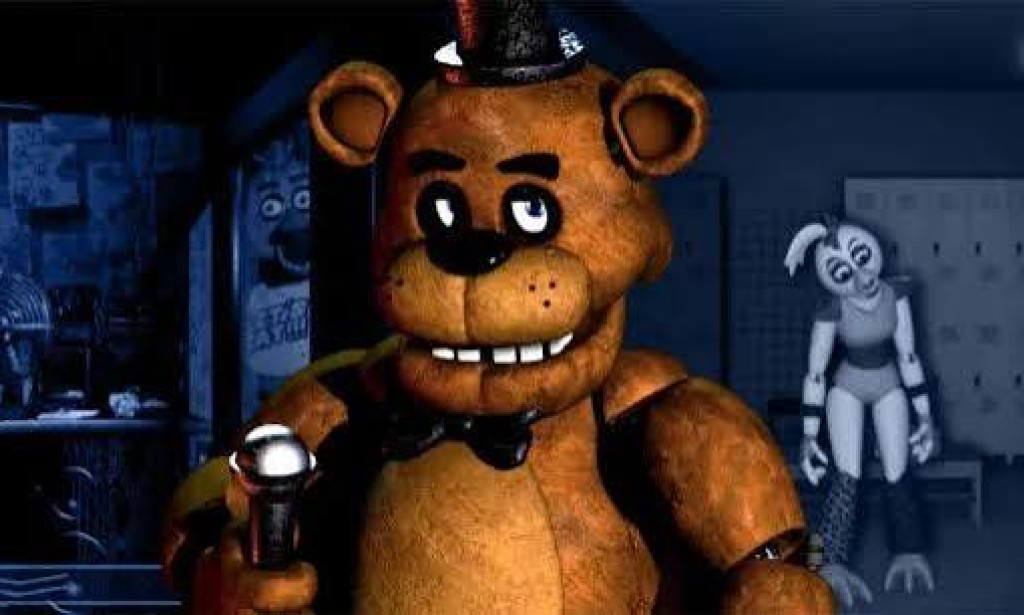
There's a particular kind of fear that only a horror game can deliver. It's not the jump-scare from a movie that you can shrug off after the credits roll. It's the slow, creeping dread that builds when you know something is waiting for you, and you have to keep checking. Five Nights at Freddy's — better known asFnaf — turned that feeling into a formula that has terrified players for over a decade. If you've never tried it and wondered what all the fuss is about, this guide will walk you through how to play it, how to survive it, and how to actually enjoy the experience.
What Kind of Horror Game Is This, Anyway?
The setup is simple, and that's part of its genius. You're a night security guard at Freddy Fazbear's Pizza, a family restaurant with animatronic mascots that perform for kids during the day. At night, however, those animatronics wander. Your job is to sit in a small office from midnight to 6 AM, watching security cameras, managing limited power, and making sure nothing gets in. You can't run. You can't fight. You can only watch, wait, and react.
What makes the game so effective is that it strips horror down to its essentials. There's no arsenal, no sprint button, no escape route. There's just you, a desk, two doors, and the growing certainty that something is moving closer in the dark. The game understands that fear lives in anticipation, not in the scare itself.
How the Gameplay Actually Works
For newcomers, the first night is almost relaxing — which is exactly how the game lures you in.
The office is your whole world. You sit at a desk facing forward. To your left and right are two doors, each with a button to close it and a light to check the hallway outside. A camera monitor lets you flip through the restaurant's rooms. Behind you, a hallway you can't fully see.
Power is your lifeline. Everything you do — checking cameras, flashing lights, closing doors — drains the building's limited power supply. When it hits zero, the doors open on their own and the darkness comes for you. This single mechanic creates the beautiful tension at the game's heart: the more you look, the faster you die, but if you don't look, you'll never know what's coming.
Survival means reaching 6 AM. Each night lasts from 12 AM to 6 AM in game time, roughly nine minutes in real time. You don't defeat anything. You simply endure until morning. Later nights add more animatronics, faster movements, and fewer resources.
The result is a rhythm of paranoia: check the left light, check the right light, glance at the cameras, close a door, watch the power meter dropping. It sounds tedious on paper. In practice, it's one of the most nerve-wracking loops in gaming.
Tips for Your First Nights
Play with headphones, in a dark room. This isn't just atmosphere advice — it's strategic. Footsteps, breathing, and the clang of metal give away an animatronic's location before your eyes do. Audio cues are your most reliable early-warning system.
Budget your power like it's your last dollar. Don't sit with both doors closed. Don't check cameras constantly. Learn which rooms actually matter and glance at them only when you need to. Every second of light is money out of your pocket.
Learn each character's pattern. The animatronics don't behave randomly; they follow rules, and those rules can be learned. One might only move when you're not watching a certain camera. Another might approach only from one side. Pay attention across multiple nights — the patterns emerge.
Don't panic when you fail. You will get jumpscared, probably a lot. Treat each death as information. Where were you looking? What did you ignore? The game rewards patience and pattern recognition far more than reflexes.
Adjust your expectations. This isn't a game you "win" in the traditional sense. It's a game you learn, then master through repetition. If you find yourself frustrated, drop back to an easier night and rebuild your confidence.
Why It's Worth Playing
What makes this game endure is how much it does with so little. There are no elaborate cutscenes, no voice acting, no sprawling levels. There's a room, a clock, and a growing sense that you are not alone. That restraint forces your own imagination to do the heavy lifting — and your imagination is far crueler than any developer.
It's worth approaching as an experience rather than a challenge. Sit with the silence. Let the atmosphere get under your skin. Notice how quickly a simple beeping power meter becomes the most stressful sound in your life. That's the craft on display.
Whether you play alone at midnight or with friends laughing nervously over your shoulder, this game delivers something rare: a genuinely memorable sense of dread. Give it a couple of nights. Once it sinks its teeth in, you'll understand why so many players keep coming back to that office.

You must be logged in to post a comment.