
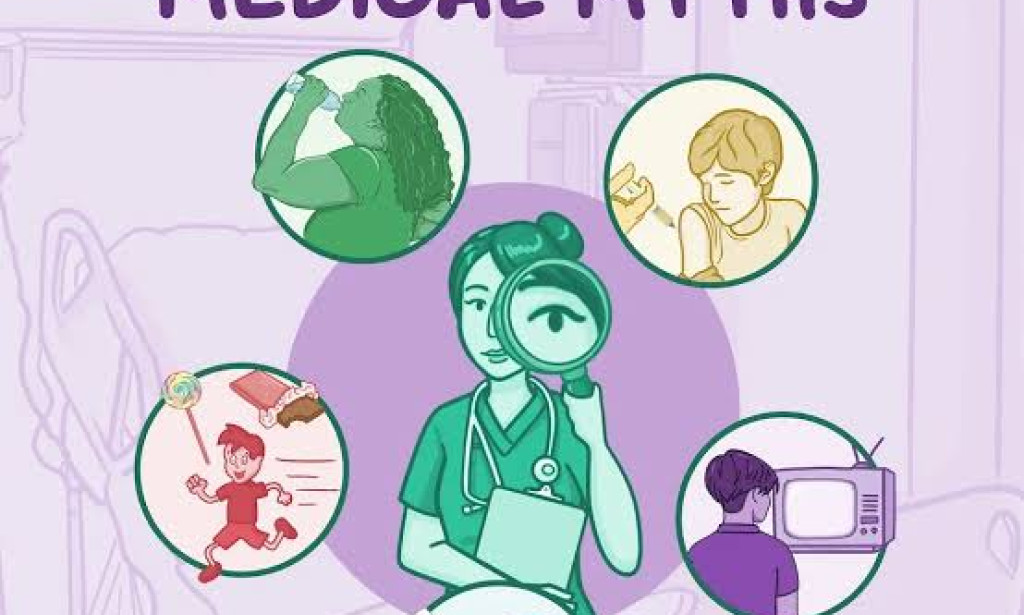
The Quirkiest Rituals in the Medical World
Medical superstitions fall into two buckets: folk remedies passed down by families, and hospital folklore quietly observed by medical professionals themselves.
The "Q-Word" Ban in Hospitals: Medical staff firmly believe that whispering "It’s really quiet tonight" acts as a summons for chaotic multi-car pileups or sudden surges in admissions.
The Full Moon Frenzy: Ask almost any triage worker or labor ward nurse, and they’ll swear the full moon brings higher delivery rates, wilder psychiatric consults, and busier shifts despite statistical studies consistently proving zero correlation.
Butter on a Burn: An old domestic habit where people slathered butter on skin burns. In reality, trapping the heat with fat makes the burn worse, but it remains a remarkably persistent myth.
Feed a Cold, Starve a Fever: A catchy medieval rhyme rooted in the ancient belief that digestion generates internal heat which you’d supposedly want for a cold, but avoid during a fever.
Why Our Brains Crave Health Folklore
Human psychology explains why these beliefs persist. When faced with illness or injury, the human mind struggles with feeling powerless. Practicing a small ritual even an irrational one gives a comforting sense of control over an uncertain outcome.
Furthermore, our brains excel at pattern recognition. If a doctor utters the word "quiet" and three minutes later an ambulance arrives, the brain links those events together permanently, ignoring the hundreds of times the word was spoken during empty nights.
Science advances rapidly, but human instincts evolve slowly. Until we can completely eliminate fear and uncertainty around our physical well-being, odd health superstitions will remain right beside our stethoscopes and prescription pads.

You must be logged in to post a comment.