
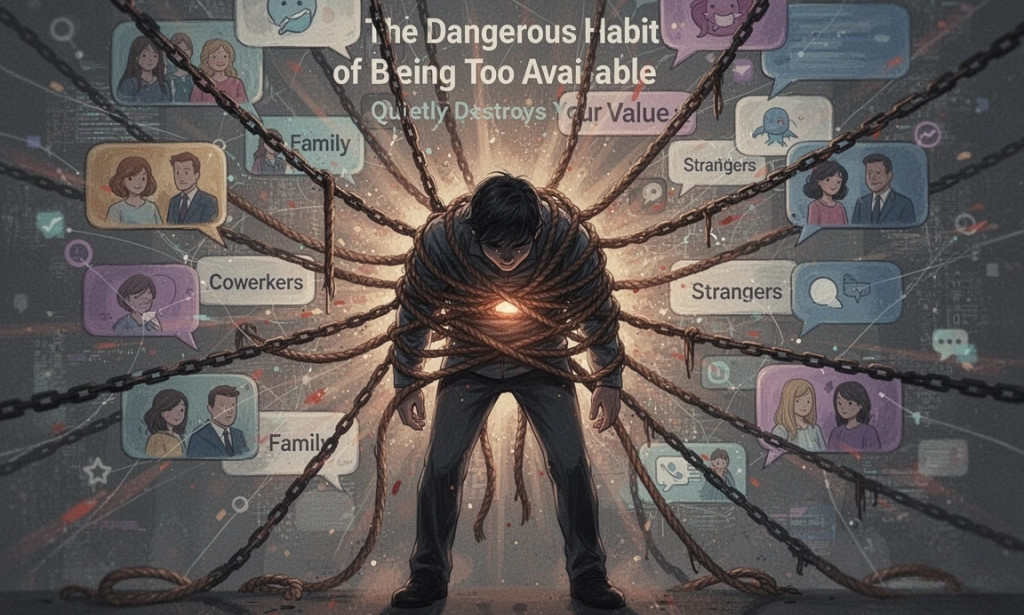
The Dangerous Habit of Being “Too Available”: How It Quietly Destroys Your Value
0
Introduction
In a world that rewards responsiveness, kindness, and reliability, being “available” is often seen as a virtue. You reply instantly, say yes often, and make yourself accessible to everyone—friends, family, coworkers, and even strangers. On the surface, it feels like you're doing the right thing.
But beneath this seemingly positive behavior lies a hidden cost.
Being too available can quietly erode your value, weaken your boundaries, and reshape how others perceive—and treat—you. What begins as generosity can slowly turn into overextension, emotional burnout, and even loss of respect.
This article explores the psychology behind over-availability, why it’s more dangerous than it appears, and how you can reclaim your time, energy, and personal worth—without becoming cold or distant.
What Does It Mean to Be “Too Available”?
Being available is not inherently bad. In fact, healthy availability builds trust and connection. The problem begins when availability becomes excessive and unbalanced.
Signs You Might Be Too Available
You respond to messages immediately—even when busy
You rarely say “no,” even when overwhelmed
You prioritize others’ needs over your own
You feel guilty when you’re not accessible
You drop your plans to accommodate others
You’re always the “go-to” person—but rarely supported in return
Over time, these patterns become your identity—and others start expecting it.
Why Being Too Available Feels Good (At First)
There’s a reason this habit develops so easily. It often taps into deeper emotional drivers.
1. The Need for Approval
Helping others can make you feel valued and appreciated. You become “needed,” which creates a sense of importance.
2. Fear of Rejection
Saying no may feel risky. You worry that setting boundaries might push people away or make you seem selfish.
3. Identity as the “Helpful One”
Many people tie their self-worth to being dependable. Being always available reinforces that identity.
4. Instant Gratification
Quick replies and constant engagement provide small bursts of validation—likes, thanks, attention.
But these rewards are temporary. The long-term effects are far more damaging.
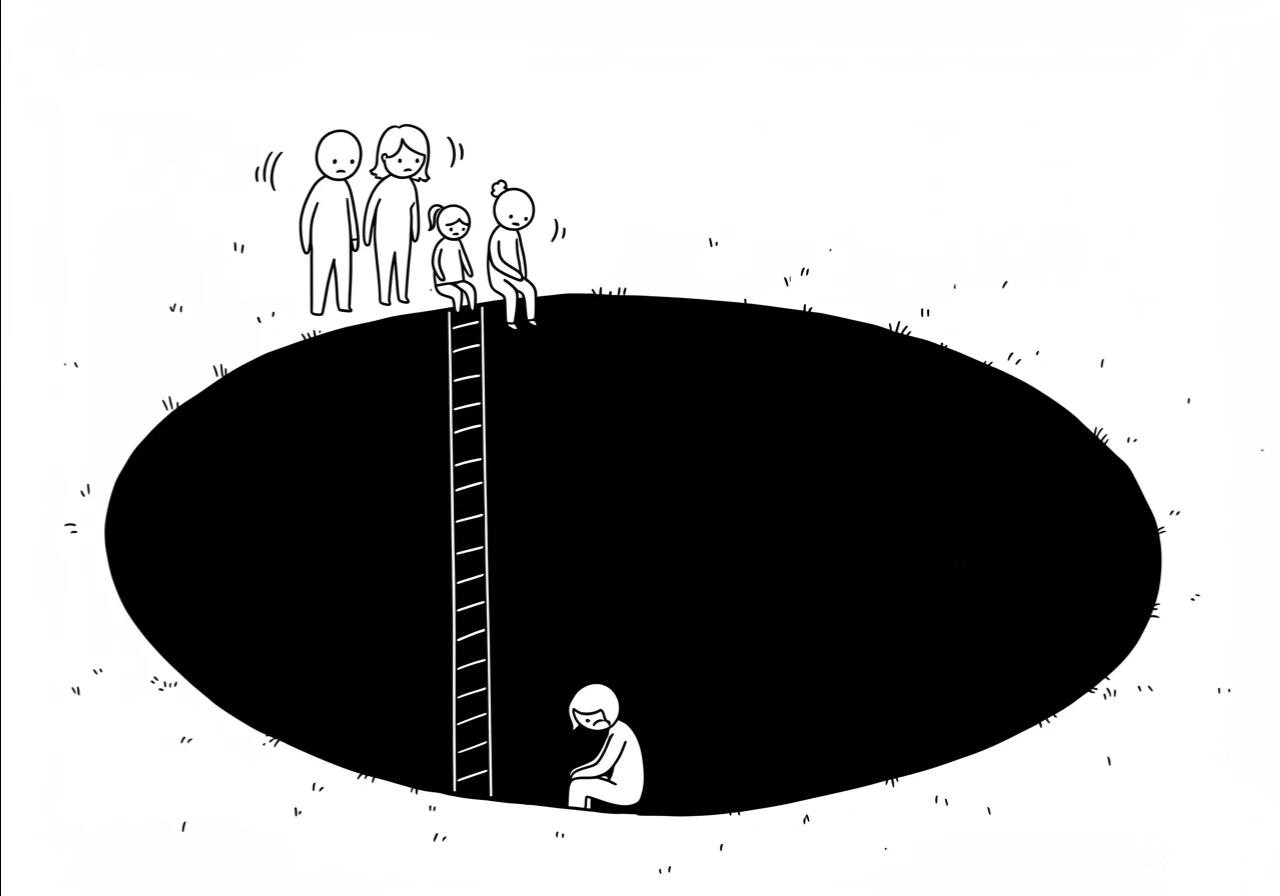
The Hidden Cost: How Over-Availability Destroys Your Value
1. It Reduces Perceived Scarcity
Value is often linked to scarcity. When you’re always available, you become predictable—and predictability can reduce perceived importance.
People stop appreciating your time
Your presence feels less special
Your attention becomes expected, not valued
2. It Encourages Boundary Violations
If you never set limits, people won’t know they exist.
Others begin to overstep without realizing
You attract people who take more than they give
Your time becomes “public property”
3. It Leads to Emotional Burnout
Constant availability drains your mental and emotional energy.
You feel exhausted but can’t explain why
You lose motivation for your own goals
Resentment starts to build quietly
4. It Lowers Your Self-Worth
When you constantly put others first, you send yourself a message:
“My needs matter less.”
Over time, this belief becomes internalized.
5. It Changes Power Dynamics in Relationships
Being too available can create imbalance.
You become the giver, others become the takers
Your opinions carry less weight
You may be taken for granted or overlooked
The Psychology Behind Perceived Value
Human perception is shaped by subtle cues.
Scarcity Principle
People tend to value things that are less available.
Limited time = higher importance
Selective attention = greater respect
Effort Justification
When access to someone requires effort, it increases their perceived worth.
Emotional Investment
When you're always there without limits, others invest less emotionally.
Why People Start Taking You for Granted
It’s rarely intentional. It’s behavioral conditioning.
You Teach Others How to Treat You
Every time you:
Respond instantly
Say yes without hesitation
Cancel your own plans
…you reinforce a pattern.
People adapt to what you consistently allow.
The Subtle Difference: Kind vs. Over-Available

TraitHealthy KindnessOver-AvailabilityBoundariesClear and respectedWeak or nonexistentTimeBalancedConstantly given awayEnergyManagedDrainedRespectMutualOne-sidedSelf-worthInternalDependent on others
Being kind doesn’t require self-sacrifice.
The Warning Signs You Shouldn’t Ignore
Emotional Indicators
Feeling unappreciated
Growing resentment
Anxiety when unavailable
Behavioral Patterns
Overcommitting regularly
Avoiding difficult conversations
Saying yes automatically
Physical Effects
Fatigue
Poor sleep
Reduced focus
These signals indicate it's time for change.
How Over-Availability Affects Different Areas of Life
1. Personal Relationships
You may become the “emotional support system” without receiving support
Your presence may be undervalued
You risk emotional exhaustion
2. Work and Career
Colleagues may overload you with tasks
Your reliability may be exploited
You may struggle to advance due to lack of assertiveness
3. Self-Development
Less time for personal growth
Neglect of goals and passions
Decreased confidence
The Shift: From Available to Valuable
The goal isn’t to become unavailable—it’s to become intentional.
Step 1: Recognize Your Limits
Understand that your time and energy are finite.
Step 2: Redefine Your Role
You are not responsible for everyone’s needs.
Step 3: Accept Discomfort
Setting boundaries may feel uncomfortable at first—but it’s necessary.
Practical Strategies to Stop Being “Too Available”
1. Learn to Say “No” Without Guilt
You don’t need elaborate excuses.
Simple responses:
“I can’t commit to that right now.”
“I need to focus on my priorities today.”
2. Delay Your Responses
You don’t have to reply instantly.
Give yourself time
Break the expectation of immediacy
3. Set Communication Boundaries
Define when you’re available
Avoid late-night or constant messaging
4. Prioritize Yourself First
Before saying yes, ask:
“Do I actually have the time and energy for this?”
5. Stop Over-Explaining
You don’t owe detailed justifications for your boundaries.
6. Create “Unavailable” Time Blocks
Focus on deep work
Rest without interruption
Protect your mental space
The Power of Selective Availability
When you become more selective:
Your time gains value
Your presence becomes meaningful
Others respect your boundaries
You shift from being accessible to being intentional.
What Happens When You Change
Expect some resistance.
Common Reactions
“You’ve changed.”
“You’re not as available as before.”
This doesn’t mean you’re doing something wrong.
It means people are adjusting to the new version of you.
How to Handle Pushback
Stay Calm and Consistent
Don’t overreact or revert to old patterns.
Reinforce Boundaries Gently
“I just have more on my plate right now.”
“I’m trying to manage my time better.”
Accept That Not Everyone Will Like It
And that’s okay.
Respect is more important than approval.
The Long-Term Benefits of Healthy Boundaries
1. Increased Self-Respect
You begin to value your own time.
2. Stronger Relationships
Only people who respect your boundaries will stay.
3. Better Mental Health
Less stress, less burnout, more clarity.
4. Improved Productivity
You focus on what truly matters.
5. Higher Perceived Value
Others recognize your time as limited—and therefore valuable.
Reframing Your Mindset
Instead of thinking:
“I have to be available to be liked”
Shift to:
“I am valuable because I respect my own time”
The Balance: Availability vs. Accessibility

Healthy relationships require presence—but not constant access.
Healthy Balance Includes:
Being present when it matters
Having boundaries when needed
Communicating clearly
Respecting both your time and others’
Conclusion
Being “too available” may seem harmless—even admirable—but it can quietly diminish your value, drain your energy, and reshape your relationships in unhealthy ways.
True value doesn’t come from constant accessibility. It comes from self-respect, boundaries, and intentional presence.
When you learn to protect your time, you teach others to respect it.
And when you stop giving yourself away so freely, something powerful happens:
You become someone whose time, energy, and presence are truly valued.
Frequently Asked Questions (FAQs)
1. Is being available always a bad thing?
No. Healthy availability strengthens relationships. The problem arises when it becomes excessive and unbalanced.
2. How do I say no without feeling guilty?
Start small. Use simple, honest responses and remind yourself that your time is limited and valuable.
3. Will people leave if I stop being too available?
Some might—but those who respect you will stay. This helps filter healthier relationships.
4. How long does it take to change this habit?
It varies, but consistency is key. Over time, both you and others will adjust.
5. Can I be kind without being over-available?
Absolutely. Kindness with boundaries is more sustainable and respected.
6. What if I feel selfish setting boundaries?
It may feel that way initially, but setting boundaries is a form of self-respect—not selfishness.


You must be logged in to post a comment.