
Silence Is Your Deadliest Weapon: 10 Psychological Truths People Learn Too Late
Introduction
In a world that rewards constant talking, instant replies, and endless noise, silence has become rare—and dangerously underrated. Most people assume that power comes from speaking loudly, defending themselves instantly, or always having the last word. But psychology tells a very different story.
Silence is not weakness. It is strategy. It is control. And when used correctly, it can become one of the most powerful psychological tools you possess.
From personal relationships to professional environments, silence can shift power dynamics, reveal hidden truths, and protect your mental energy. The problem? Most people learn its true value far too late—after unnecessary conflicts, broken relationships, and missed opportunities.
This article uncovers 10 powerful psychological truths about silence that can transform how you communicate, think, and influence others.
H2: Why Silence Is So Powerful in Human Psychology
Silence works because it disrupts expectations. Humans are wired to seek responses, validation, and closure. When those expectations are denied, the brain reacts.
H3: The Brain Hates Uncertainty
When you stay silent:
People start overthinking
They fill in the gaps themselves
They often reveal more than they intended
Silence creates a psychological vacuum—and people rush to fill it.
H3: Silence Signals Control
The person who speaks less:
Appears more confident
Seems emotionally stable
Gains perceived authority
Silence isn’t absence. It’s presence without noise.
H2: 1. Silence Makes People Reveal More Than Words Ever Could
When you stop talking, others often start talking more.
H3: Why This Happens
People feel uncomfortable with silence. To escape that discomfort:
They overshare
They justify themselves
They expose their true intentions
H3: How to Use It
Ask a question, then stay quiet
Maintain eye contact
Let the silence stretch
Result: You gain insight while saying nothing.
H2: 2. Silence Protects You From Saying What You’ll Regret
Most damage in relationships happens in moments of emotional reaction.
H3: The Power of Pause
Silence gives you:
Time to think
Space to regulate emotions
Control over your response
H3: Practical Tip
Before responding in anger:
Pause for 5–10 seconds
Breathe deeply
Choose whether a response is even necessary
Silence turns impulsive reactions into intentional decisions.
H2: 3. Silence Is a Form of Emotional Intelligence
Highly emotionally intelligent people don’t react instantly.
H3: What Silence Communicates
“I am thinking”
“I am not easily triggered”
“I choose when to engage”
H3: Why It Matters
Reacting to everything:
Drains energy
Lowers your perceived value
Makes you predictable
Silence creates mystery—and power.
H2: 4. Silence Can End Arguments Faster Than Words
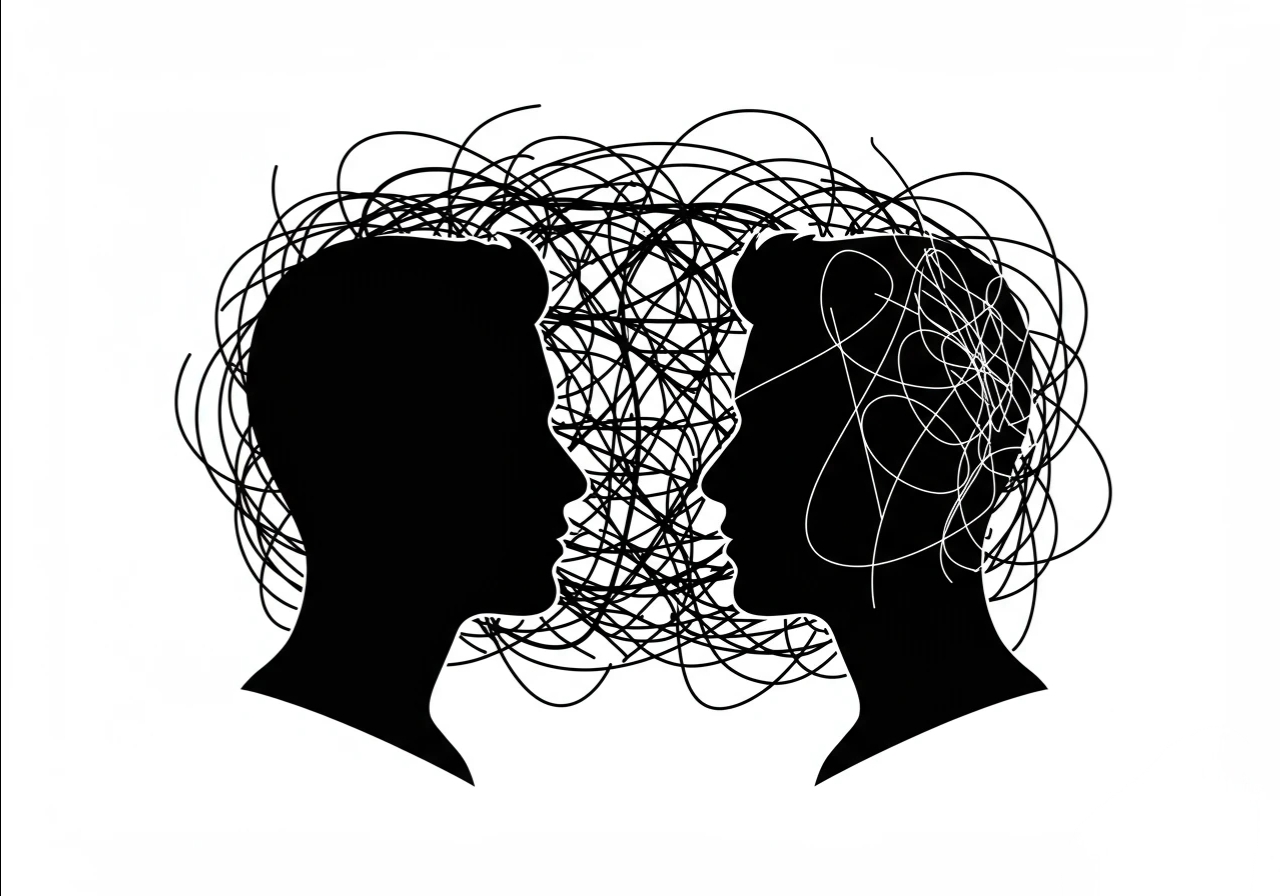
Arguments thrive on reaction.
H3: The Cycle of Conflict
One person reacts
The other escalates
The cycle continues
H3: Breaking the Cycle
Silence:
Removes fuel from the fire
Forces the other person to reflect
De-escalates tension
Sometimes, the strongest response is no response.
H2: 5. Silence Increases Your Perceived Value
People value what is scarce.
H3: The Psychology of Scarcity
When you talk less:
Your words carry more weight
People listen more carefully
You appear more thoughtful
H3: Example
Compare:
Someone who talks constantly
Someone who speaks only when necessary
Who seems more powerful?
The silent one. Always.
H2: 6. Silence Exposes Manipulation

Manipulators rely on emotional reactions.
H3: Common Manipulation Tactics
Provoking you to react
Guilt-tripping
Forcing immediate responses
H3: How Silence Defeats It
When you stay silent:
Manipulation loses its impact
The manipulator loses control
Their tactics become obvious
Silence is resistance without confrontation.
H2: 7. Silence Builds Mystery and Attraction

In social and romantic dynamics, silence can be magnetic.
H3: Why Mystery Attracts
People are drawn to:
What they don’t fully understand
What they can’t easily predict
H3: The Role of Silence
It creates curiosity
It invites pursuit
It prevents overexposure
Talking too much removes intrigue. Silence builds it.
H2: 8. Silence Helps You Observe What Others Miss

When you’re not talking, you’re noticing.
H3: What You Gain Through Silence
Body language cues
Tone shifts
Hidden emotions
H3: The Observer Advantage
Silent people:
Read situations better
Make smarter decisions
Avoid unnecessary mistakes
Observation is a superpower—and silence unlocks it.
H2: 9. Silence Strengthens Your Self-Control

Self-control is one of the strongest predictors of success.
H3: Why Silence Requires Discipline
Choosing silence means:
Resisting the urge to react
Controlling emotions
Thinking long-term
H3: Long-Term Benefits
Better relationships
Stronger reputation
Greater mental clarity
Every moment of silence builds inner strength.
H2: 10. Silence Forces Others to Respect Your Boundaries

Not every situation deserves your words.
H3: When Silence Becomes a Boundary
Ignoring disrespect
Refusing to engage in negativity
Walking away without explanation
H3: What It Signals
“I don’t tolerate this”
“You don’t have access to my energy”
“I choose my battles”
Silence can be the loudest boundary you set.
H2: When Silence Can Be Dangerous
Silence is powerful—but misuse can backfire.
H3: When NOT to Stay Silent
When communication is necessary
In healthy relationships that require openness
When addressing serious issues
H3: The Balance
Use silence:
As a tool, not avoidance
As strategy, not fear
As control, not suppression
H2: How to Master the Art of Silence
Silence is a skill—and like any skill, it can be developed.
H3: Practical Techniques
Pause before responding
Practice active listening
Limit unnecessary الكلام (talking)
Use silence in negotiations
Observe before reacting
H3: Daily Habits
Spend time in quiet reflection
Reduce digital noise
Train yourself to be comfortable with pauses
H2: The Hidden Cost of Talking Too Much
People who talk excessively often:
Reveal too much
Lose authority
Become predictable
H3: Overcommunication Leads To:
Misunderstandings
Reduced impact
Emotional exhaustion
The more you say, the less each word matters.
H2: Silence vs Ignoring: Know the Difference
Not all silence is powerful.
H3: Healthy Silence
Intentional
Calm
Controlled
H3: Unhealthy Silence
Passive-aggressive
Avoidant
Fear-based
True power comes from conscious silence—not avoidance.
H2: Real-Life Situations Where Silence Wins
H3: In Arguments
Let the other person exhaust themselves
H3: In Negotiations
Stay quiet after making an offer
H3: In Social Settings
Speak less, observe more
H3: In Conflict
Don’t react immediately
H2: Key Takeaways
Silence is not weakness—it is control
It reveals more than words ever could
It protects your emotions and your reputation
It increases your perceived power and value
It exposes manipulation and builds boundaries
Conclusion
Silence is one of the most misunderstood tools in human interaction. In a noisy world, those who master silence stand out—not because they demand attention, but because they command it without effort.
The truth is simple:
You don’t need to win every argument.
You don’t need to respond to every provocation.
You don’t need to explain yourself to everyone.
Sometimes, the most powerful thing you can do… is say nothing at all.
Because in silence, you don’t lose power—
You define it.
Frequently Asked Questions (FAQs)
1. Is silence always better than speaking in difficult situations?
No. Silence is powerful, but it’s not always the right choice. In situations that require clarity, honesty, or problem-solving—especially in close relationships or professional settings—communication is essential. Silence works best when emotions are high, when dealing with manipulation, or when a response would add no value.
2. Can silence be misunderstood as weakness or avoidance?
Yes, it can—especially if used incorrectly. If silence comes from fear, insecurity, or avoidance, people may perceive it as weakness. However, when used with confidence and intention, silence is often seen as strength, control, and emotional maturity.
3. How can I use silence without damaging my relationships?
Balance is key. Use silence to:
Pause before reacting
Avoid unnecessary arguments
Reflect before responding
But don’t use silence to:
Ignore important conversations
Punish others emotionally
Avoid accountability
Healthy relationships require both communication and thoughtful silence.
4. Why do people feel uncomfortable with silence?
Humans are naturally wired to seek connection and feedback. Silence creates uncertainty, and the brain tries to “fill the gap” by overthinking or talking more. This discomfort is exactly why silence can be such a powerful psychological tool.
5. Is staying silent a form of emotional intelligence?
Yes—when used correctly. Choosing silence instead of reacting impulsively shows:
Self-control
Awareness
Strategic thinking
Emotionally intelligent people know when to speak—and when silence will have a stronger impact.
6. How can I practice becoming more comfortable with silence?
Start small:
Pause for a few seconds before replying
Practice active listening in conversations
Spend time alone without distractions
Avoid the urge to fill every quiet moment
Over time, silence will feel less awkward—and more empowering.


You must be logged in to post a comment.