
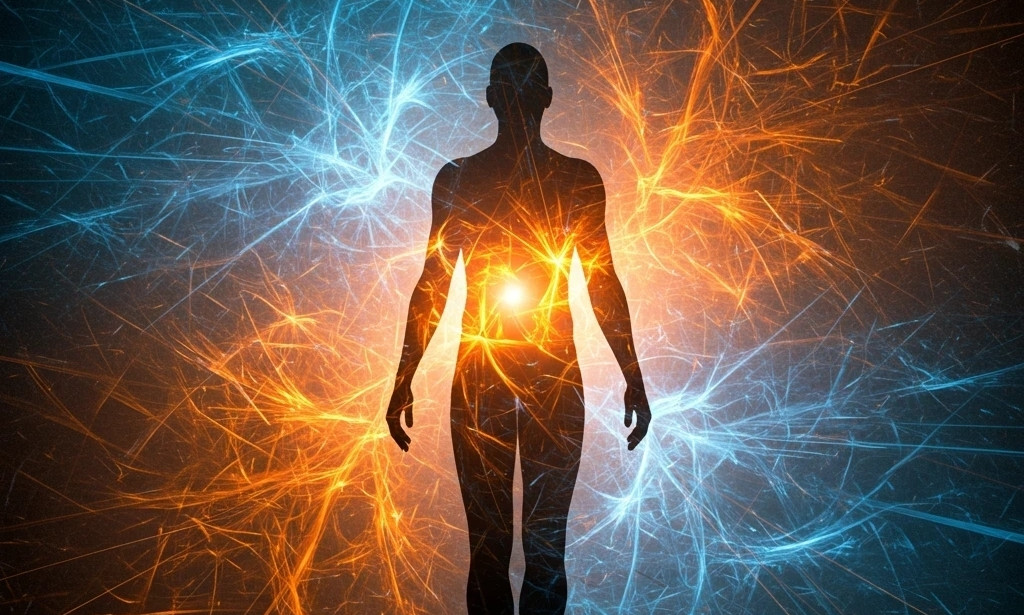
⚡ Lightning Inside You: How Your Body Generates Micro-Electric Surges Strong Enough to Control Life, Death, and Disease
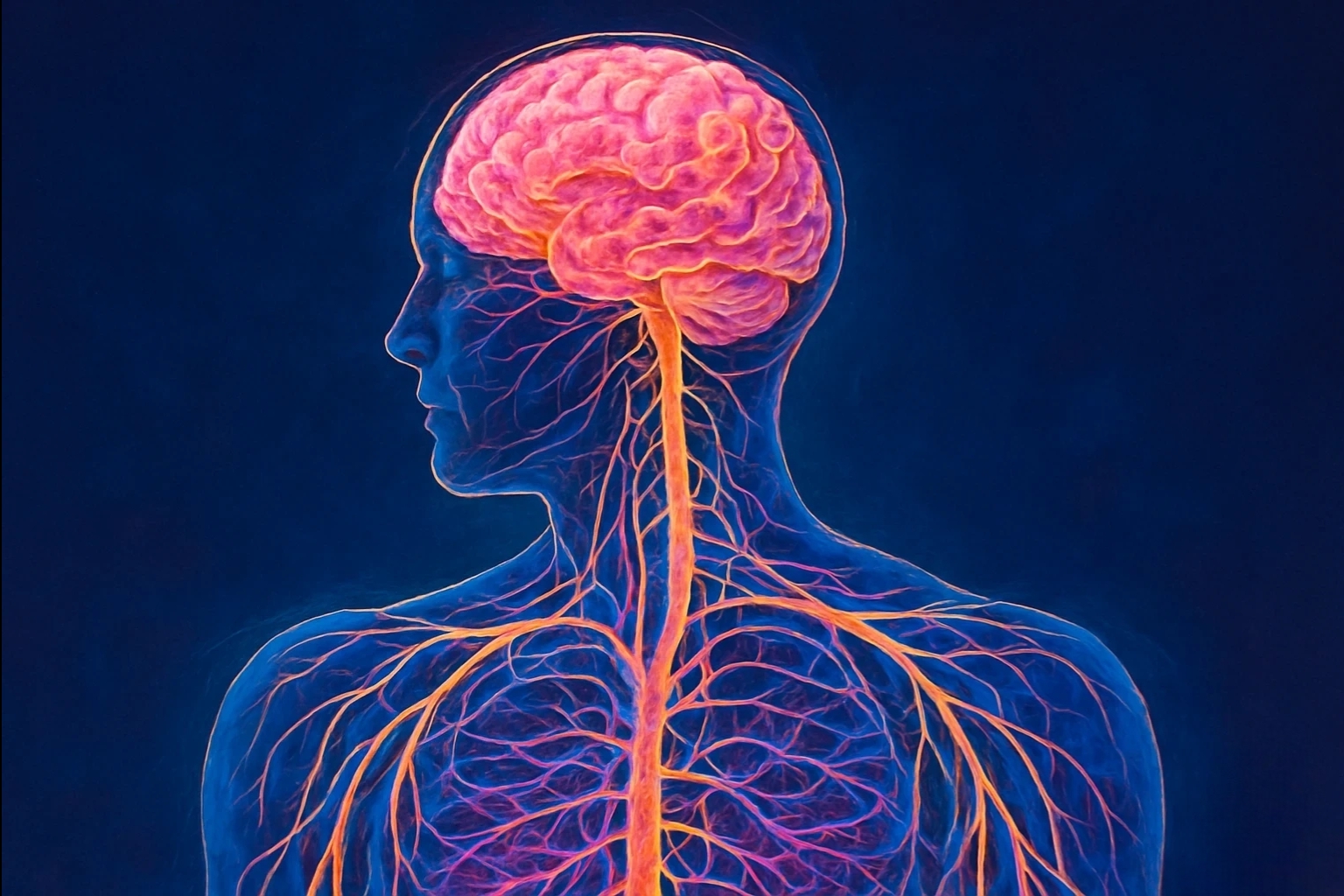
Introduction
Every second of your life, tiny electrical impulses are firing through your body—unseen, unfelt, yet absolutely essential. These micro-electric surges power your heartbeat, control your thoughts, move your muscles, and even influence your ability to heal.
You are not just a biological organism—you are an electrical system.
From the rhythm of your heart to the firing of neurons in your brain, your body depends on finely tuned electrical signals. When these signals flow smoothly, you experience health and vitality. When they are disrupted, the consequences can range from fatigue and confusion to severe disease—and even death.
This article explores the hidden electrical nature of your body, revealing how these micro-surges work, why they matter, and how they may hold the key to understanding disease at its deepest level.
The Human Body as an Electrical System
Bioelectricity — The Invisible Force of Life
Bioelectricity refers to the electrical signals generated and used by living cells, tissues, and organs. These signals are created by the movement of charged particles—ions like sodium, potassium, calcium, and chloride—across cell membranes.
Key facts about bioelectricity:
Every cell in your body maintains an electrical charge
Your nervous system communicates via electrical impulses
Your heart beats due to electrical pacing signals
Your brain processes thoughts through electrical activity
Without these signals, life simply cannot exist.
Voltage Inside Your Cells
Each cell has a voltage difference across its membrane, known as the membrane potential.
Typical resting potential: -70 millivolts (mV)
Generated by ion gradients
Maintained by specialized pumps (like sodium-potassium pumps)
This tiny voltage is the foundation of all biological electrical activity.
How Your Brain Generates Lightning-Like Signals
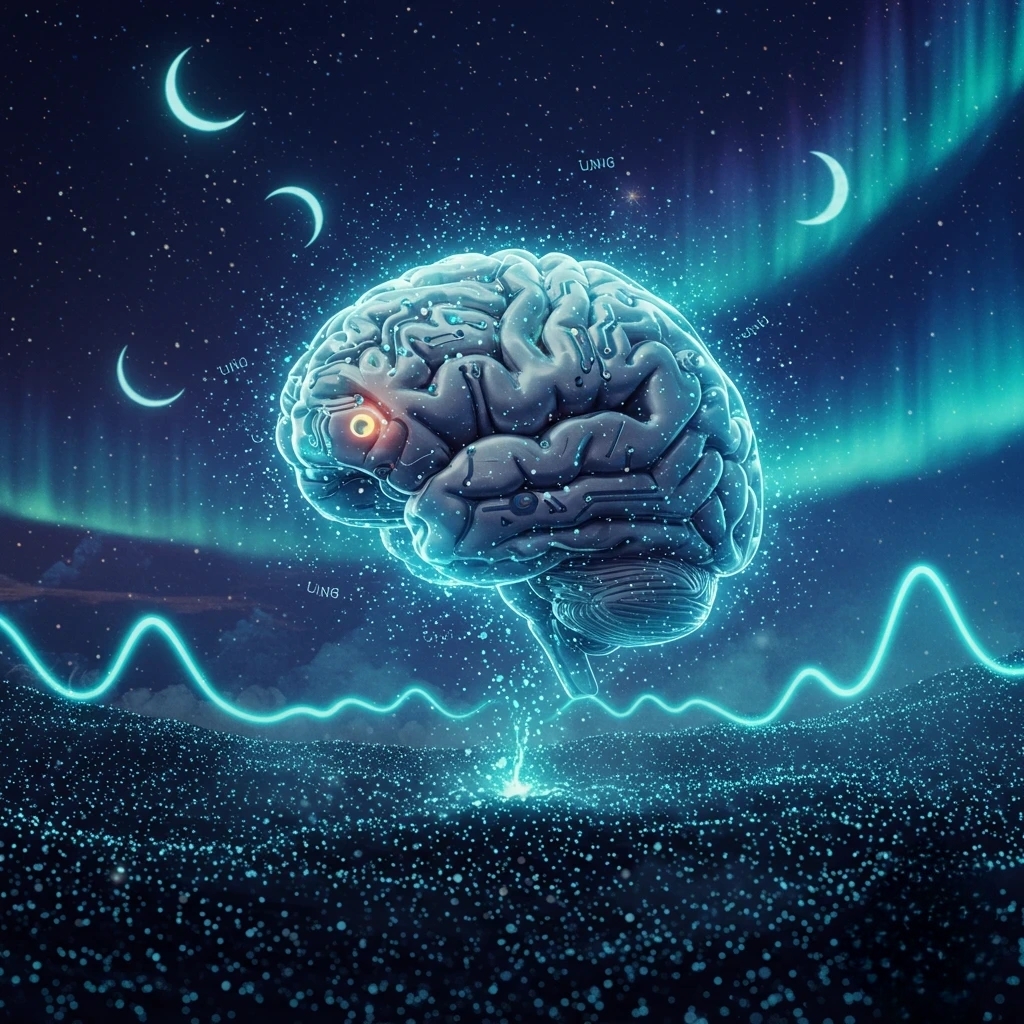
Neurons — The Electrical Wires of the Body
Your brain contains approximately 86 billion neurons, each capable of generating electrical impulses called action potentials.
These impulses:
Travel at speeds up to 120 meters per second
Carry information across vast neural networks
Control thoughts, emotions, and movement
Action Potentials — Tiny Bursts of Lightning
An action potential is a rapid rise and fall in electrical voltage across a neuron’s membrane.
Process:
Stimulus triggers ion channels to open
Sodium ions rush in → depolarization
Potassium ions exit → repolarization
Signal travels down the neuron
This is essentially a mini lightning strike happening inside your nervous system.
Brain Waves — Electrical Rhythms of Consciousness
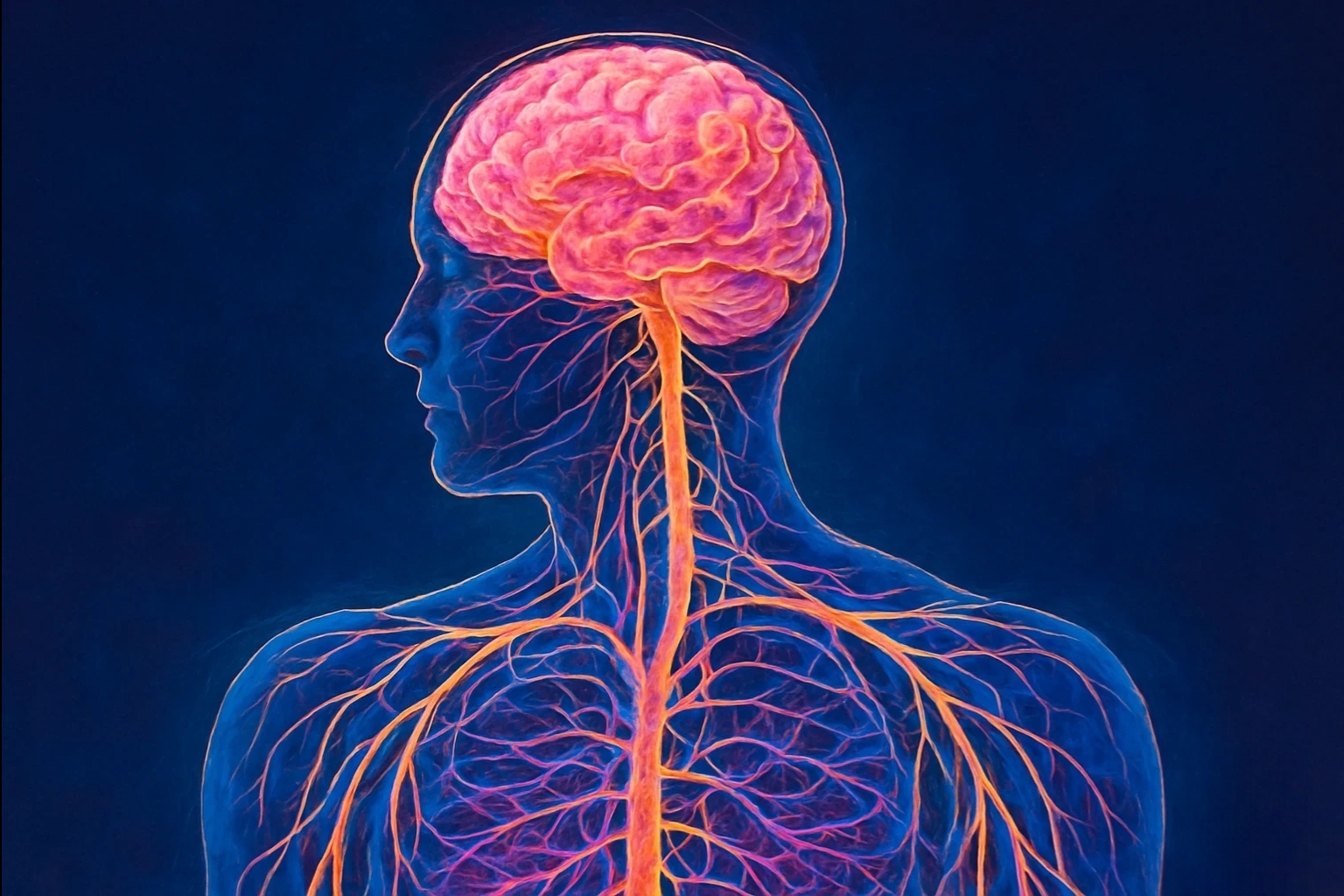
Your brain produces rhythmic electrical patterns known as brain waves:
Delta waves: Deep sleep
Theta waves: Creativity, meditation
Alpha waves: Relaxation
Beta waves: Active thinking
Gamma waves: High-level cognition
These waves define your mental state and cognitive function.
The Heart — Your Body’s Natural Electrical Generator
The Cardiac Conduction System
Your heart doesn’t beat randomly—it follows a precise electrical rhythm generated by specialized cells.
Key components:
SA node (sinoatrial node): Natural pacemaker
AV node: Signal regulator
Bundle of His & Purkinje fibers: Signal distributors
Each Heartbeat Is Electrically Triggered
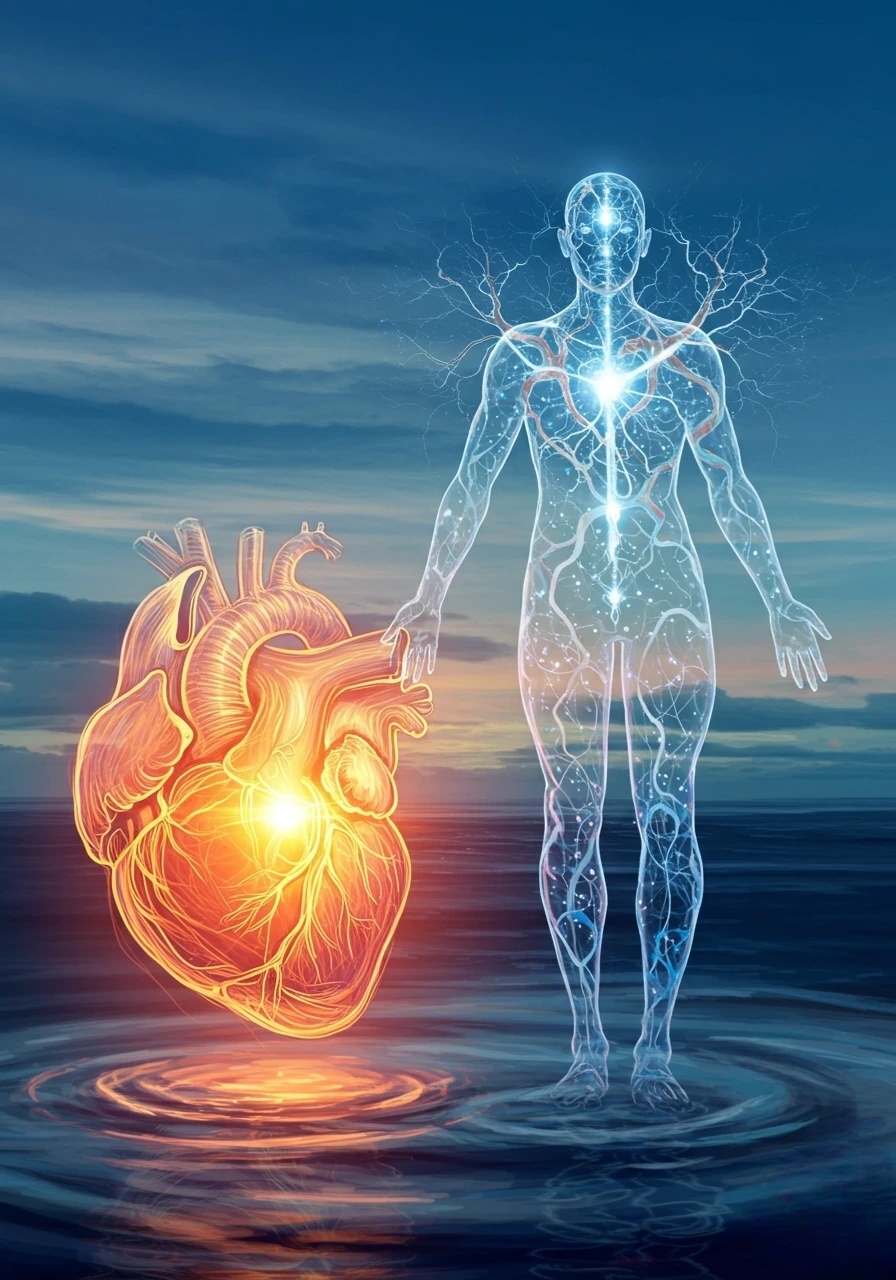
Every heartbeat begins with an electrical impulse.
Electrical signal → muscle contraction
Contraction → blood flow
Continuous cycle → life
Without this electrical system, the heart would stop instantly.
Measuring Heart Electricity
Doctors use tools like:
ECG (Electrocardiogram) to measure heart signals
Detect irregular rhythms (arrhythmias)
Identify heart disease
Muscles and Movement — Powered by Electrical Signals
From Brain to Muscle
Movement begins as an electrical signal in the brain:
Brain sends signal via neurons
Signal reaches muscle fibers
Electrical impulse triggers contraction
Calcium — The Key to Muscle Activation
Electrical signals cause calcium release inside muscle cells, which enables contraction.
Without calcium:
Muscles cannot contract
Movement becomes impossible
The Role of Electrical Signals in Healing and Regeneration
Electrical Fields Guide Healing
When you get injured, your body generates localized electrical fields that guide healing.
These fields:
Direct cell migration
Stimulate tissue repair
Influence regeneration speed
Regeneration and Bioelectric Patterns
Some animals regenerate limbs due to strong bioelectric signaling.
Humans also rely on:
Electrical gradients for wound healing
Cellular communication through voltage changes
When Electrical Signals Go Wrong
Neurological Disorders
Disrupted electrical activity in the brain can lead to:
Epilepsy (excessive electrical firing)
Parkinson’s disease (signal imbalance)
Depression (altered brain wave patterns)
Heart Rhythm Disorders
Irregular electrical signals in the heart can cause:
Arrhythmias
Cardiac arrest
Sudden death
Chronic Disease and Bioelectric Dysfunction
Emerging research suggests that faulty electrical signaling may contribute to:
Cancer progression
Poor wound healing
Metabolic disorders
Micro-Electricity and the Immune System
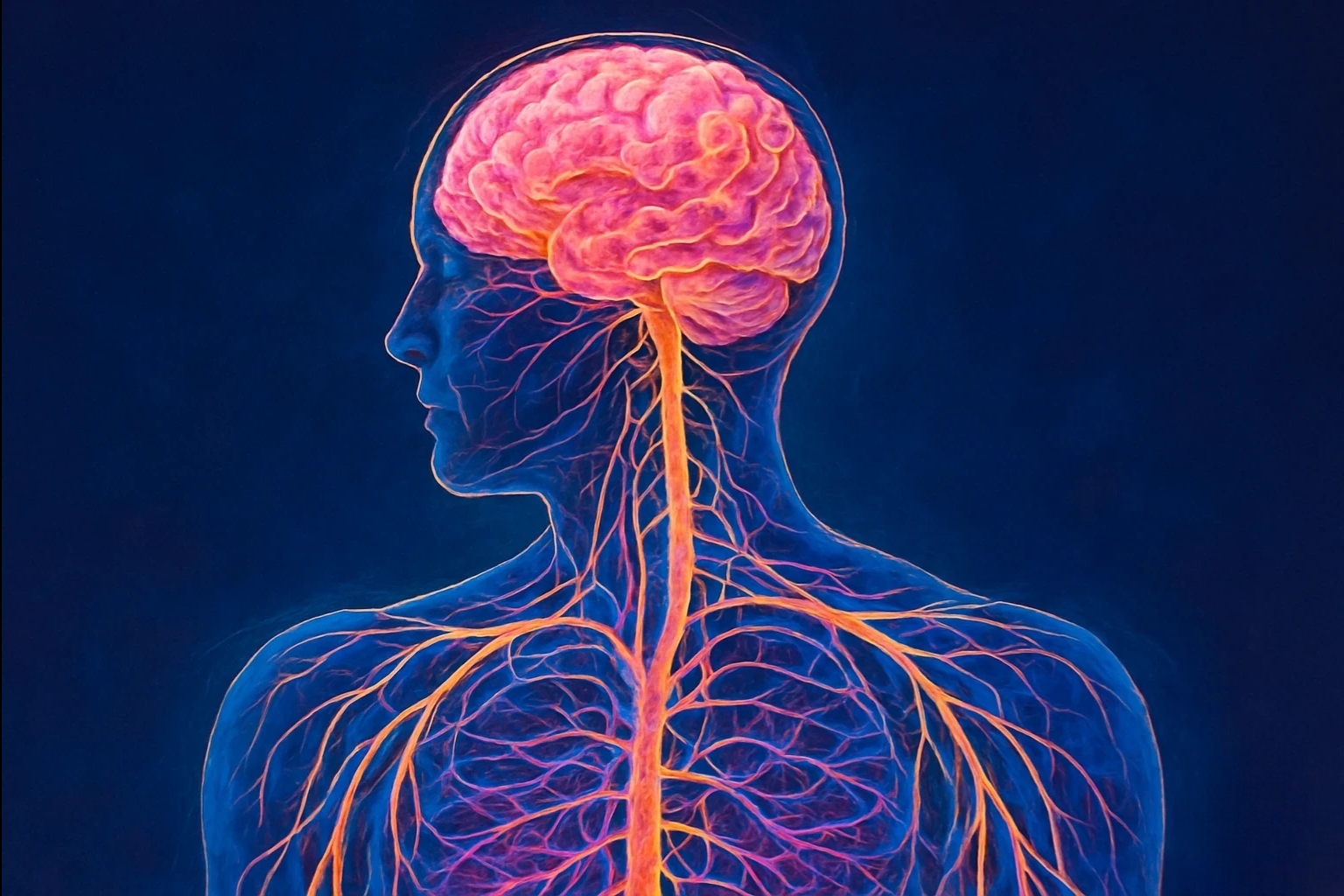
Electrical Communication Between Cells
Immune cells use electrical signals to:
Detect threats
Coordinate responses
Activate defense mechanisms
Inflammation and Electrical Imbalance
Chronic inflammation may be linked to disrupted cellular electrical patterns.
The Shocking Truth About Your Energy Levels
Fatigue May Be Electrical
Low energy isn’t just about sleep or nutrition—it may involve:
Weak cellular voltage
Impaired mitochondrial function
Poor ion balance
Mitochondria — Tiny Power Stations
Mitochondria generate energy using electrical gradients.
Produce ATP (energy currency)
Maintain voltage across membranes
Support cellular function
Can You Influence Your Body’s Electrical System?
H3: Lifestyle Factors That Affect Bioelectricity
You can support your body’s electrical health through:
Nutrition:
Electrolytes (sodium, potassium, magnesium)
Whole foods
Hydration:
Water supports ion movement
Sleep:
Regulates brain electrical activity
Movement:
Enhances nerve and muscle signaling
Grounding and Electrical Balance
Some theories suggest that physical contact with the Earth may help balance body charge, though scientific evidence is still developing.
Medical Technologies Using Bioelectricity
Modern medicine uses electrical signals for treatment:
Pacemakers for heart rhythm
Deep brain stimulation for neurological disorders
TENS therapy for pain relief
The Future of Bioelectric Medicine
Reprogramming Cells with Electricity
Scientists are exploring ways to:
Control cell behavior using electrical signals
Reverse disease by restoring electrical patterns
Regrow tissues and organs
Bioelectricity and Cancer Research
Abnormal electrical signals may influence tumor growth.
Future therapies may:
Normalize cell voltage
Stop cancer progression
Bullet Point Summary — Key Insights
Your body is an electrical system powered by ion movement
Brain activity depends on rapid electrical impulses
The heart beats through electrical signaling
Muscles contract due to electrical triggers
Healing is guided by bioelectric fields
Disruptions in electrical signals can lead to disease
Energy levels may depend on cellular voltage
Future medicine may use electricity to cure diseases
Conclusion
Inside you exists a silent storm—a constant flow of micro-electric surges that sustain every moment of your existence.
You are not just flesh and blood.
You are energy, voltage, and rhythm.
Every heartbeat, every thought, every movement is powered by invisible lightning coursing through your body.
Understanding this changes how we view health—not just as chemistry, but as electricity in motion.
And as science continues to uncover the secrets of bioelectricity, one truth becomes clear:
The key to life, healing, and disease may lie in the currents within you.
Frequently Asked Questions (FAQs)
1. What is bioelectricity in the human body?
Bioelectricity is the natural electrical activity generated by living cells. It happens when charged particles (ions like sodium, potassium, and calcium) move across cell membranes, creating electrical signals that control everything from thinking to heartbeat.
2. How does the human body produce electricity?
Your body produces electricity through ion movement across cell membranes. Neurons generate electrical impulses, muscles respond to these signals, and the heart uses specialized electrical pathways to maintain a steady rhythm.
3. Are brain signals really electrical?
Yes. Brain activity is based on electrical impulses called action potentials. These signals travel between neurons at high speed and form the basis of thoughts, memory, emotions, and movement.
4. Can electrical imbalances cause diseases?
Yes. Disrupted electrical signaling in the brain can contribute to conditions like epilepsy or depression, while irregular heart signals can lead to arrhythmias or cardiac issues. Even cellular-level imbalances may affect healing and metabolism.
5. How important are electrolytes for body electricity?
Electrolytes like sodium, potassium, magnesium, and calcium are essential because they carry electrical charges. They help maintain nerve function, muscle contraction, hydration balance, and overall cellular communication.
6. Can lifestyle changes improve body electrical health?
Yes. Proper hydration, balanced nutrition, quality sleep, and regular movement all support healthy electrical signaling in the body. These habits help maintain stable nerve, brain, and heart function.


You must be logged in to post a comment.