
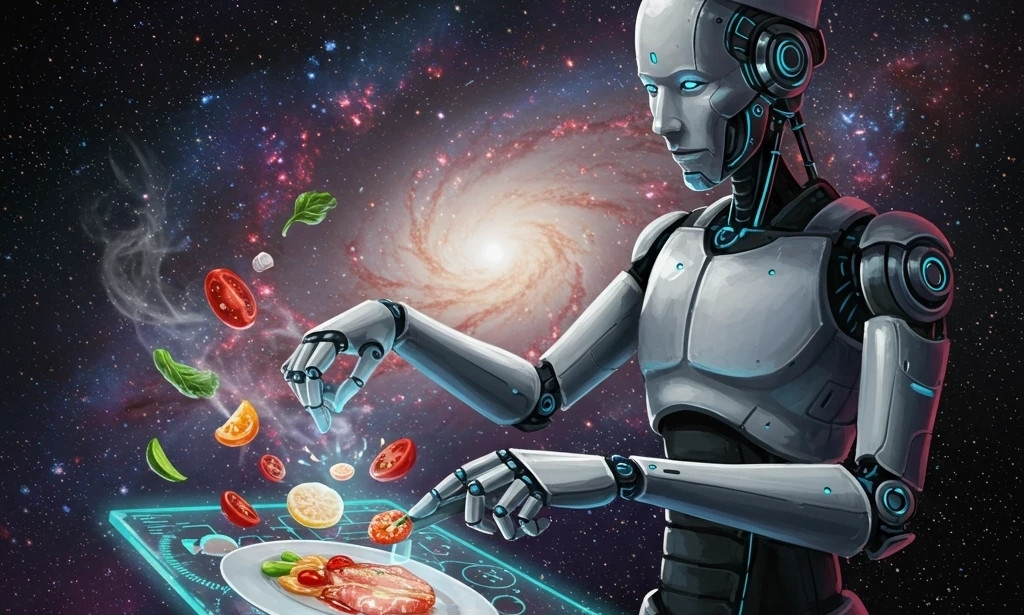
I Let AI Design My Diet for 30 Days — It Nearly Fired My Nutritionist
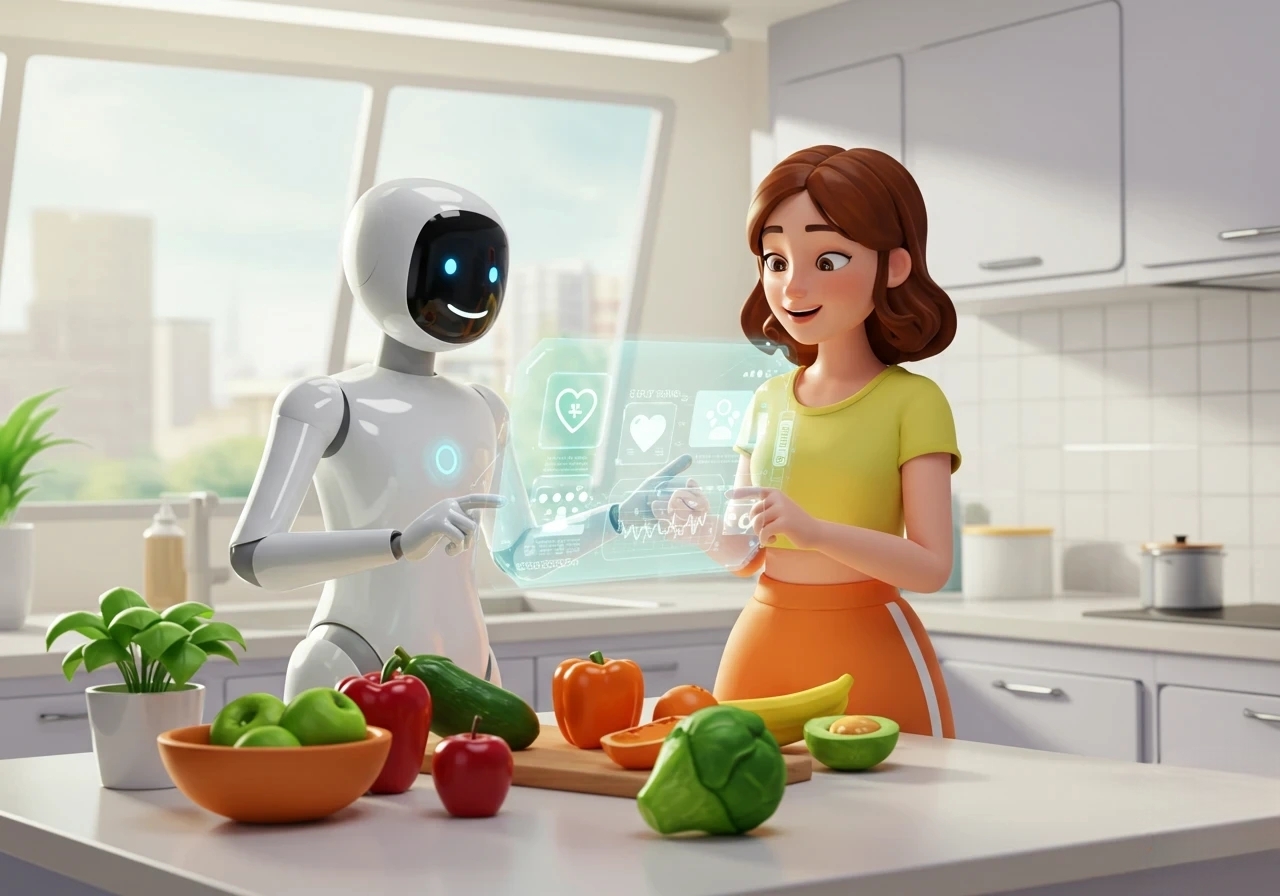
Introduction: When Algorithms Enter the Kitchen
I didn’t plan to start a food-world civil war. I just wanted easier meal planning. Between work, workouts, and decision fatigue, my weekly “What should I eat?” spiral had become a sport.
So I ran an experiment:
I let AI design my entire diet for 30 days.
The result?
My nutritionist raised an eyebrow.
My grocery bill dropped.
My habits changed.
And yes — for a moment, it felt like the algorithm was coming for her job.
But here’s the real story: AI didn’t replace professional guidance. It forced me to rethink how I use it.
This is the full breakdown — wins, failures, data, mindset shifts, and what actually happened to my body and brain.
Why I Let AI Design My Diet
Decision fatigue is real. Planning balanced meals takes time, research, and consistency. I wanted:
Less time thinking about food
More consistency
Clear macro targets
Budget-friendly grocery lists
Zero emotional eating decisions
So I turned to AI-powered planning tools and custom prompts.
What I Asked the AI to Do
I gave the AI specific constraints:
Daily calories based on my goal
High protein
Mostly whole foods
Minimal ultra-processed foods
Budget-friendly meals
3 meals + 1 snack per day
30-day rotating meal plan
The AI generated:
Weekly meal plans
Macro breakdowns
Grocery lists
Prep instructions
Simple recipes
And that’s where the experiment began.
How AI Built My 30-Day Diet Plan
The Inputs I Gave the AI
To avoid garbage output, I gave detailed input:
Height, weight, activity level
Goal (fat loss with muscle retention)
Allergies and dislikes
Cooking skill level
Budget limit
Time constraints
The better the inputs, the better the outputs. Garbage in, garbage out.
The Structure of My AI Diet
Every day followed a simple structure:
Breakfast: High-protein + fiber
Lunch: Lean protein + carbs
Dinner: Balanced whole-food meal
Snack: Protein-forward
Example Day:
Breakfast: Greek yogurt, berries, oats
Lunch: Chicken, rice, roasted veggies
Dinner: Salmon, sweet potato, greens
Snack: Cottage cheese + apple
Simple. Predictable. Sustainable.
What My Nutritionist Thought About the Experiment
When I told my nutritionist what I was doing, she didn’t panic — but she did warn me.
Her main concerns:
AI lacks medical context
No real-time adaptation
Risk of nutrient gaps
No emotional intelligence
No injury, stress, or illness adjustments
She said something important:
“AI can organize food. It can’t coach a human.”
That line stuck with me.
The Pros of Letting AI Design My Diet
1. Consistency Skyrocketed
AI removed daily decision-making.
No “what should I eat?” moments
No impulsive takeout
No skipping meals
No random snacking
My adherence rate went way up because the plan already existed.
2. Grocery Shopping Became Stupidly Easy
The AI-generated grocery list saved hours every week.
One list
One trip
Zero wandering
No impulse buys
This alone made the experiment feel worth it.
3. I Hit My Protein Goals Without Thinking
Before AI, I underestimated protein constantly.
With AI:
Every meal was protein-forward
No guesswork
No tracking fatigue
I didn’t “try” to eat better. I just followed the plan.
4. Budget Control Improved
Because meals were repetitive and simple:
Fewer specialty items
Fewer forgotten ingredients
Less food waste
Fewer restaurant meals
My monthly food spend dropped by about 20%.
5. My Energy Stabilized
By week two, I noticed:
No mid-afternoon crashes
More stable hunger levels
Fewer sugar cravings
Better sleep consistency
This wasn’t magic — it was consistency plus balanced macros.
The Cons Nobody Tells You About
1. The Diet Got Boring
AI optimizes for efficiency, not joy.
Repetitive meals
Similar flavors
Little culinary excitement
Food became fuel — and sometimes I missed the pleasure of cooking creatively.
2. No Emotional Awareness
The AI didn’t care that:
I had a bad day
I was stressed
I wanted comfort food
I was eating socially
Human coaches adapt emotionally.
AI follows instructions.
3. No Real-Time Body Feedback
When my workouts intensified, the AI didn’t know.
When my hunger increased, the AI didn’t adapt.
I had to manually tweak calories and macros.
4. It Didn’t Account for Social Life
AI meal plans don’t include:
Birthdays
Work dinners
Family gatherings
Travel meals
This meant I had to learn flexible adherence instead of rigid obedience.
What Changed in My Body After 30 Days
Physical Changes
Slight fat loss
Leaner waist
More visible muscle definition
Reduced bloating
Better digestion
Nothing extreme — but noticeable improvements.
Mental Changes
Less food stress
Less decision fatigue
More awareness of portions
Stronger habit formation
Reduced emotional eating patterns
AI didn’t “fix” my relationship with food — but it stabilized the chaos around it.
Did AI Nearly Fire My Nutritionist?
Not really.
But it changed our dynamic.
Instead of paying her for:
Basic meal planning
Grocery lists
Macro templates
I started using her for:
Behavior coaching
Stress eating patterns
Habit loops
Training recovery
Lifestyle adaptation
Travel strategies
Long-term sustainability
AI handled logistics.
She handled humanity.
That’s the difference.
Where AI Works Best in Nutrition
Data Organization
AI is incredible at:
Structuring meal plans
Building grocery lists
Calculating macros
Repeating patterns
Simplifying complexity
It thrives in predictable systems.
Habit Automation
Once a structure exists, AI reinforces consistency:
Meal prep schedules
Portion control
Weekly rotation
Time-efficient cooking
It’s great for building the rails of your habits.
Where AI Fails Hard
Emotional Eating
AI can’t detect:
Stress
Burnout
Loneliness
Food guilt
Shame cycles
Humans eat for reasons beyond hunger.
Algorithms don’t understand feelings.
Medical Context
AI doesn’t know:
Blood work
Hormonal shifts
Digestive disorders
Recovery needs
Injury protocols
This is where professionals matter.
AI vs Human Nutritionist: The Real Comparison
RoleAIHuman NutritionistMeal PlanningExcellentExcellentEmotional SupportNoneHighMedical AwarenessLowHighHabit CoachingModerateHighAdaptabilityManualReal-timeMotivationNoneReal
AI is a powerful assistant.
It is not a replacement for human judgment.
Lessons I Learned After 30 Days
1. Structure Beats Motivation
Having a plan removed the need for willpower.
2. Food Freedom Requires Framework
Paradoxically, structure gave me more freedom.
I wasn’t constantly thinking about food anymore.
3. AI Is a Tool, Not a Coach
It organizes.
It doesn’t understand you.
4. The Best System Is Hybrid
AI for logistics.
Humans for behavior.
That’s the winning combo.
How to Try This Safely Yourself
Step 1: Use AI as a Planning Tool, Not a Medical Advisor
AI can help structure meals.
It cannot diagnose, treat, or personalize medical needs.
Step 2: Give Better Inputs
Be specific:
Goals
Allergies
Budget
Time
Cooking skill
The output quality depends on your input clarity.
Step 3: Review With a Professional
If you have:
Health conditions
Dietary restrictions
Performance goals
Run the plan by a nutritionist or dietitian.
Step 4: Build Flexibility
Life will interrupt your plan.
Design rules, not prisons.
The Future of AI in Nutrition
AI will not replace nutrition professionals.
But it will:
Automate repetitive planning
Reduce admin workload
Improve client adherence
Free professionals to focus on behavior and health strategy
The future isn’t AI vs humans.
It’s AI with humans.
Final Verdict: Was It Worth It?
Yes — with conditions.
Letting AI design my diet for 30 days gave me:
Structure
Simplicity
Consistency
Better habits
But it didn’t replace:
Coaching
Emotional support
Medical insight
Real-world adaptability
AI nearly fired my nutritionist —
until I realized she was never competing with it.
She was doing what algorithms can’t:
Helping a human behave like a human.


You must be logged in to post a comment.