
How to Protect the Skin: Essential Tips for Healthy Skin
The skin is the largest organ of the human body and plays an important role in protecting the body against harmful microorganisms, environmental pollutants, and physical injuries. It also helps regulate body temperature and prevents excessive water loss. However, exposure to sunlight, pollution, harsh chemicals, and unhealthy lifestyle habits can damage the skin over time. Protecting the skin requires consistent care, healthy habits, and the use of suitable skincare products.
1. Protect the Skin from Sunlight
One of the most important ways to protect the skin is to reduce excessive exposure to ultraviolet (UV) radiation from the sun. UV rays can cause sunburn, premature ageing, dark spots, and increase the risk of skin cancer. Applying a broad-spectrum sunscreen with an SPF of 30 or higher can help protect the skin from UVA and UVB rays. Sunscreen should be applied before going outdoors and reapplied approximately every two hours, especially after swimming or sweating. Wearing protective clothing, hats, and sunglasses and seeking shade during periods of intense sunlight can provide additional protection.
2. Maintain Proper Skin Hygiene
Keeping the skin clean helps remove sweat, excess oil, dirt, and other impurities that accumulate throughout the day. Washing the face gently with a suitable cleanser and bathing regularly can help maintain skin hygiene. However, excessive washing and the use of harsh soaps may remove the skin's natural oils, leading to dryness and irritation. It is advisable to use mild, fragrance-free cleansers when possible and avoid scrubbing the skin aggressively. Clean towels and pillowcases should also be used regularly to reduce the accumulation of dirt and oils.
3. Moisturise the Skin Regularly
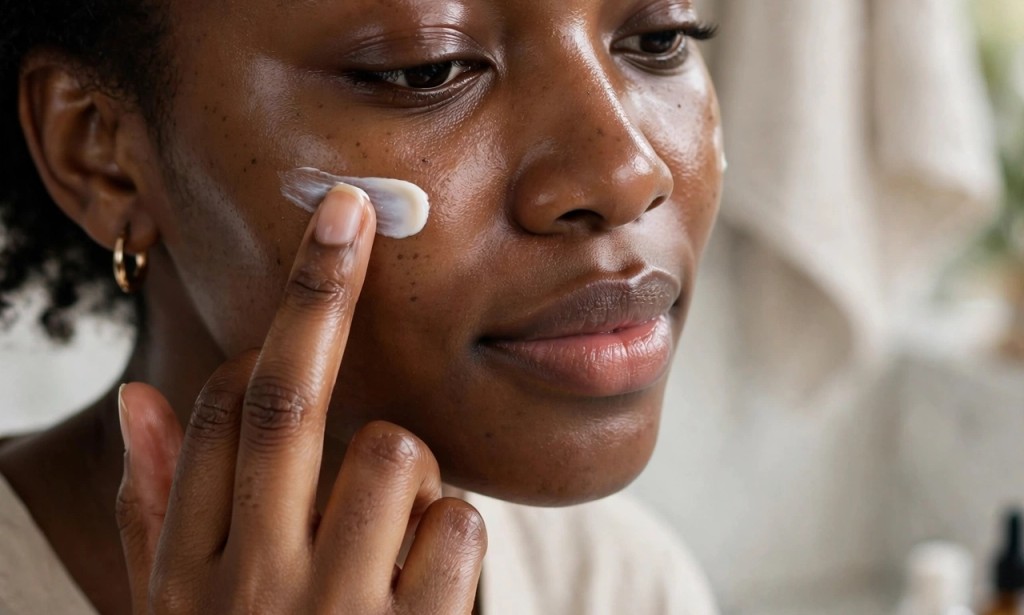
Moisturising is essential for maintaining the skin's protective barrier. A healthy skin barrier helps retain moisture and protects against irritants and harmful environmental substances. Applying a suitable moisturiser after bathing or washing the face helps prevent dryness and supports the skin's natural function. People with oily skin may benefit from lightweight, non-comedogenic moisturisers, while those with dry skin may prefer thicker creams. Products should be selected according to individual skin needs, and new products should be introduced carefully to reduce the risk of irritation.
4. Eat a Balanced Diet and Drink Enough Water
Good nutrition supports normal skin function and repair. A balanced diet containing fruits, vegetables, whole grains, healthy fats, and protein provides essential nutrients that help maintain healthy skin. Vitamins and antioxidants found in foods such as oranges, carrots, tomatoes, and leafy green vegetables contribute to normal skin health. Drinking enough water helps maintain normal hydration, although drinking excessive amounts of water does not automatically improve the skin's appearance. A balanced diet and adequate hydration should be combined with proper skincare practices.
5. Avoid Harmful Skincare Products
Some skincare products contain irritating ingredients or are unsuitable for certain skin types. Products marketed as skin-lightening or fairness treatments may contain harmful substances, including mercury or potent corticosteroids, particularly when obtained from unregulated sources. Using such products without proper guidance can lead to skin irritation, thinning, uneven pigmentation, and other complications. Strong exfoliating acids, retinoids, and fragranced products may also cause irritation when used incorrectly or combined carelessly. Before introducing a new product, it is advisable to perform a patch test and follow the manufacturer's instructions. Products that cause persistent burning, redness, swelling, or rashes should be discontinued.
6. Adopt Healthy Lifestyle Habits
Adequate sleep, regular physical activity, and effective stress management contribute to overall health, including normal skin function. Smoking can accelerate skin ageing, while insufficient sleep may make the skin appear tired. It is also important to avoid picking pimples or scratching irritated areas because these actions can increase inflammation and the risk of scarring or dark marks. Maintaining clean personal items, such as mobile phones and makeup brushes, can further support good skin hygiene.
Conclusion
Protecting the skin requires more than applying creams or using expensive skincare products. Consistent sun protection, gentle cleansing, regular moisturising, balanced nutrition, and healthy lifestyle habits all contribute to maintaining the skin's protective barrier. Avoiding harmful products and seeking professional medical advice when persistent skin problems occur are equally important. By adopting these simple but effective practices, individuals can protect their skin from preventable damage and support its long-term health.


You must be logged in to post a comment.