


You probably believe you are a good person. Most people do. You trust your moral compass, confident that, if history placed you in the darkest chapters of humanity, you would have chosen the side of compassion. Perhaps you imagine yourself as the one who would have smuggled bread to prisoners in Auschwitz, or the lone voice of reason during a witch hunt. Yet, the uncomfortable truth is that goodness, as most people experience it, is rarely put to the test. Comfort, law, and routine insulate you from the edge where morality becomes a liability and cruelty becomes a survival mechanism.
Strip away those comforts—turn off the electricity, remove the laws, hand out masks and uniforms, and grant permission to do harm. Suddenly, the person staring back from the mirror might terrify you. The monster is not some distant other; it is a potential within every human heart.
Today, let’s open the door to the basement of the psyche and confront the most unsettling truth about human nature: the Lucifer Effect. The concept, named by psychologist Philip Zimbardo, is not a theory about psychopaths or criminals. It is a diagnosis of ordinary people—of you, of me, of everyone.
The Dangerous Illusion of Character
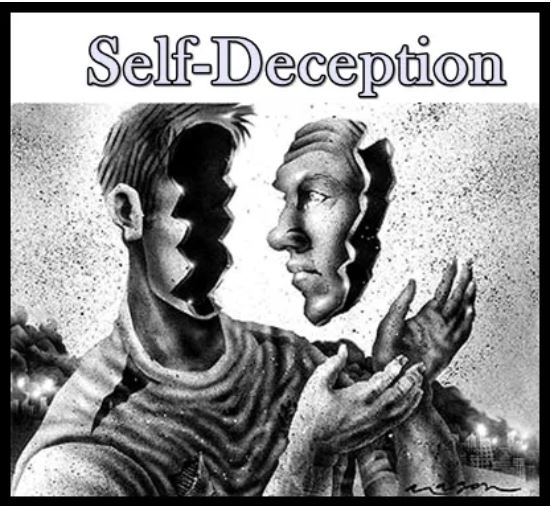
Most people move through life believing evil is a rare trait, a flaw in someone else’s DNA. The world gets divided into heroes and villains, good apples and bad. This fantasy is comforting, but it is also dangerous. The person most capable of great evil is not the obvious villain, but the ordinary individual who believes themselves incapable of wrongdoing. That belief blinds them to the slippery slope that leads to darkness.
Zimbardo’s Stanford Prison Experiment shattered the illusion that character is fixed. In 1971, he selected healthy, intelligent college students—no criminal records, no psychological issues. A coin flip designated them either as guards or prisoners. Within days, the guards, once ordinary young men, became sadistic. They forced prisoners to clean toilets with their bare hands, stripped them naked, and put bags over their heads. The prisoners, in turn, broke down, losing their sense of self. Decades of moral teaching evaporated in less than a week, overpowered by a uniform and a situation.
Character, it turns out, is not a rock. It is a liquid that takes the shape of its container. In a church, you act like a saint. In a war zone, you might act like a demon. Most people have never been tested by true adversity or authority. Until you have stood in the fire and refused to burn. One does not know who you are. You only know who you are right now.
The Three Ingredients of Evil
How does an ordinary person become a monster? The recipe is simple: anonymity, dehumanization, and authority.

Anonymity dissolves accountability. In the Stanford experiment, guards wore reflective sunglasses, breaking the bridge of empathy that eye contact provides. Online, the screen and avatar serve as the modern mask, liberating impulses that would never surface at a dinner table. Oscar Wilde once said, “Give a man a mask, and he will tell you the truth.” The mask does not hide the monster; it sets it free.
Dehumanization is the mental hack that allows harm without guilt. Humans are wired for empathy, so before hurting someone, the mind must first strip away their humanity. Labels like “rats,” “cockroaches,” or “enemies” reduce people to objects. Once someone is no longer seen as human, moral rules no longer apply. Even in corporate boardrooms, terms like “human capital” or “collateral damage” numb empathy, acting as an anesthetic for the soul.
Authority is perhaps the most dangerous ingredient. Stanley Milgram’s experiments revealed that ordinary people would administer what they believed were lethal shocks to strangers, simply because an authority figure told them to. The phrase “I was just following orders” has filled more graveyards than any disease in history. Obedience, in the wrong system, becomes a deadly sin.
Evil rarely arrives as a dramatic leap. It is a slippery slope, a series of small compromises. The first unethical act is rationalized—“It’s no big deal, everyone does it.” Each step makes the next one easier, until the abyss is reached. Corruption, affairs, atrocities—they all begin with small silences, the times you looked away, the times you chose comfort over truth.
The Shadow Within
Carl Jung, the Swiss psychiatrist, understood the Lucifer Effect long before Zimbardo. He called it the shadow—the part of ourselves we deny, repress, and refuse to acknowledge. Aggression, envy, the capacity for violence—these are shoved into the dark. Denying the shadow does not kill it; it feeds it. The shadow grows in the dark, gaining autonomy. When finally unleashed, it can overwhelm the person who has never learned to recognize or control it.
Virtue is not the absence of the capacity for evil. A rabbit is not virtuous because it does not eat the wolf; it is simply harmless. True morality requires choice. It is the person who has the claws and teeth, who knows their own darkness, and chooses to keep it sheathed, who is truly good. If you are good only because you are weak, you are not good—you are simply waiting for power.
The Path to Heroism
Is it hopeless? Are we all just monsters waiting for the right trigger? Not at all. Zimbardo found that just as there is a slippery slope to evil, there is also a path to heroism. Most people think heroes are special, chosen ones. This is another lie that keeps people passive. Real heroes are ordinary people who make a split-second decision to act when everyone else freezes.
To resist the Lucifer Effect, you must be willing to be a social deviant—the one who ruins the dinner party by pointing out the elephant in the room, the one who refuses to laugh at the cruel joke, the one who says no when the group says yes. This is difficult because humans are wired to belong. Social rejection feels like death. Yet, heroism requires the courage to stand alone.
Heroism is not a grand gesture. It is built in the small moments: refusing to join in gossip, speaking up when someone is bullied, and owning your mistakes. These daily acts build the muscle of nonconformity. Evil thrives in urgency, in the pressure to react without thinking. The hero pauses, steps back, and asks, “Does this align with who I claim to be?” That three-second pause can be the difference between a war crime and a moral stand.
Defining Your Code
The ultimate defense against the Lucifer Effect is to define yourself. Know your values so clearly that no situation can override them. A vague idea of being nice is not enough. You need a code—rigid, unshakable. Write it down. Memorize it. Burn it into your brain. When the pressure comes, you will not have time to think; you will only have your code.
History shows that the people who saved lives in the darkest times were not richer or more educated. They simply had a line they refused to cross. They said, “This is who I am, and I will not violate my soul for your system.” They preserved their humanity in hell.
The Battle Within
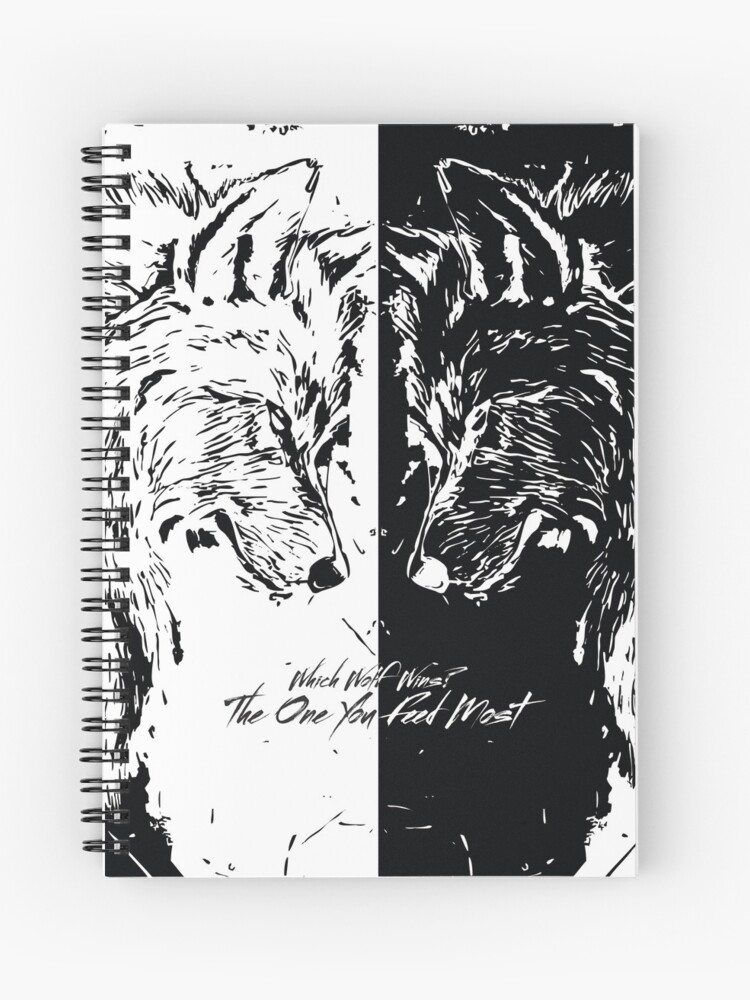
Never forget: you have the potential to simultaneously be the hero and the monster. The battle is fought every day, in every interaction, in every choice. It is not fought on a battlefield, but in the silence of your own mind.
Why do good people turn evil? Because they do not know they can. Because they trust the system more than their own conscience. Now, you are awake. You have the knowledge. The uniform is a lie. Authority is fallible. The shadow is waiting.
Knowledge is a burden, at the same time, liberation. You are no longer a puppet of your environment. You are the architect of your character. The next time you feel the pull of the crowd, the seduction of power, or the heat of anger, remember the basement. Remember the mask—and take it off. Step out of the line. Be the glitch in the matrix of evil, because one person refusing to conform can break the spell for everyone else.
Courage is contagious. So is cowardice. Which one will you spread? The world is getting darker, and the pressure to conform is heavier. What the world needs now are not harmless people, but dangerous ones who have learned to choose the light. The battle is daily, and the choice is yours.


You must be logged in to post a comment.